Pages

Tampilkan postingan dengan label ARVs. Tampilkan semua postingan

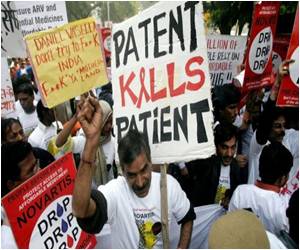
Legal Case in India Threatens HIV Drug Access for Poorest

via The Bureau of Investigative Journalism, by Melanie Newman

"India is literally the lifeline of patients in the developing world, especially in the poorest parts of Africa…If Sec. 3(d) is overturned, it means any meaningful effort to make these vital medicines available will be put in jeopardy."

A technical case going through the Supreme Court in India is being carefully watched by aid agencies and other human rights organisations, who claim it could have severe consequences for the supply of lifesaving drugs to the developing world.

More than 90% of drugs used to treat children with AIDS in Africa come from Indian generic manufacturers, according to the medical NGO Medicins Sans Frontieres. And if the Swiss pharmaceutical giant Novartis wins a case it has brought against the Indian government, MSF fears that supply could dry up.

Novartis is seeking patent protection for its leukaemia drug Glivec, whose patent has expired in India. It is challenging India’s interpretation of a section of the nation’s patent law — Section 3(d) — which prevents ‘evergreening’.

Read the rest.

[If an item is not written by an IRMA member, it should not be construed that IRMA has taken a position on the article's content, whether in support or in opposition.]

Early ARV Treatment Will Save Lives in South Africa


Government's decision to offer free ARV treatment to people with CD4 counts of 350 or less has been welcomed as a life-saver.

The South African government's announcement that it will give antiretroviral medication to people with HIV who have CD4 counts of below 350 will save lives and prevent infection.

This is according to Medecins Sans Frontieres (MSF), which welcomed the announcement made by Deputy President Kgalema Motlanthe on Friday (12 August).

Until Friday, people were only able to get ARVs if their CD4 count was below 200 unless they were pregnant or had tuberculosis.

"The decision to start people on HIV treatment earlier, before they become sick with diseases like tuberculosis, marks a critical moment for this country that is so hard hit by the epidemic," said Dr Gilles van Cutsem, Medical Coordinator for MSF in South Africa.

"When people are started earlier on ARV treatment, they are less likely to die, less likely to become ill, less likely to need hospitalisation and more likely to stick to their treatment in the long run."

A study conducted by MSF last year in Lesotho found that patients who started treatment above CD4 200 were 68% more likely to survive than patients those who started ARVs when their CD4 count was below 200.

Van Cutsem added that starting people on ARVs earlier was likely to prevent new infections as "ARV treatment dramatically reduces the spread of the virus to others, by making people living with HIV less infectious by up to 96 percent".

Meanwhile, a study published in PloS journal in July predicts that making ARVs available to people from CD4 of 350 would have a dramatic effect on the community of Hlabisa in northern KwaZulu-Natal.

Read the rest here.

[If an item is not written by an IRMA member, it should not be construed that IRMA has taken a position on the article's content, whether in support or in opposition.]

From 'What if' to 'What Now': Implementing the New Prevention Technologies

Via AIDSMap, by Gus Cairns.
Two consecutive sessions at the sixth International AIDS Society conference in Rome yesterday were devoted, now we have convincing scientific data on the benefits of treatment as prevention and PrEP, to putting these new prevention methods into practice.

“We have moved from ‘What if?’ to ‘What now?’” was the comment of Mitchell Warren, Executive Director of the AIDS Vaccine Advocacy Coalition (AVAC), on what else we need to know, what barriers need to be addressed , and what resources might be required, to maximise the promise of antiretroviral-based prevention.

Anthony Fauci, Director of the US National Institute of Allergies and Infectious Diseases (NIAID), said: “We now have a solid scientific foundation to say that even in the absence of a vaccine we have the capacity to end the epidemic. I can’t go to the US President and say: 'We can cure HIV.’ But I can say ‘Ending the epidemic is scientifically doable’.”

Earlier, however, Nancy Padian from the Office of the US Global AIDS Coordinator had outlined formidable challenges still to be answered if antiretroviral treatment could bring about this goal.

She said that questions still needing answers include whether antiretroviral drugs (ARVs) really are a durable and reliable means of viral load suppression over a period of years and whether increasing the proportion of people on treatment would lead to increased levels of resistance. The biggest practical question, however, was whether treatment as prevention would work in situations where a high proportion of transmissions came from people with acute, recent HIV infections.

The biggest barriers to treatment as prevention, however, are stigma and lack of resources. Implementing ARV-based prevention would not only be expensive in terms of drugs; it would require added human resources and increased training and task-shifting for prevention counsellors so they can deal with biomedical data. There would also be added costs in terms of tests and monitoring.

The other big barrier will be the stigma of being tested, she said, particularly for at-risk populations in societies where injecting drug use, male-male sex, or sex work were criminalised and stigmatised. Treatment as prevention would require people not simply to test and then go to more supportive community organisations for prevention advice; it required a much closer relationship with medical personnel who might be prejudiced or feared to be so.

Mitchell Warren issued a call to action to implement the new strategies, but his presentation was tempered by realism. “We have evidence, we have data, and we now need to make decisions,” he said.

Read the rest here.

[If an item is not written by an IRMA member, it should not be construed that IRMA has taken a position on the article's content, whether in support or in opposition.]

Investment in HIV Prevention Research

A report released yesterday by HIV Vaccines and Microbicides Resource Tracking Working Group at the IAS conference in Rome "found that overall investment in HIV prevention R&D had actually increased, with the modest exception of a one percent decline in vaccine R&D. The report documented a total US$1.19 billion investment in research and development (R&D) for four key HIV prevention options: preventive vaccines, microbicides, pre-exposure prophylaxis (PrEP) using antiretroviral drugs, and operations research related to medical male circumcision.":

"2010 has been a year of retrospection, a time for looking back over the 30 years since the first published report of the mysterious illness that would come to be known as AIDS. As sobering as this anniversary has been, it has also been a time for some optimism and calls to end the epidemic. These calls may not be simply wishful thinking, fueled as they have been by promising research results over the past two years in vaccines, microbicides, pre-exposure prophylaxis using antiretrovirals (PrEP), and antiretroviral treatment as prevention—results that have energized the entire HIV prevention field.

The first good news came at the end of 2009, when researchers in the RV 144 Thai vaccine trial reported that a vaccine combination had reduced risk of infection by 31 percent—the first clinical evidence that a preventive AIDS vaccine would be possible. Then, in July 2010, the CAPRISA 004 trial team announced its findings–that use of 1% tenofovir (TDF, also known as Viread®) vaginal gel reduced women’s risk of HIV infection by 39 percent—providing the first proof that a microbicide would be possible. This news was followed in November 2010 by the announcement from the iPrEx trial team that daily oral tenofovir/emtricitabine (TDF/FTC, also known as Truvada®) had reduced risk of HIV infection by an estimated 44 percent overall in men who have sex with men (MSM) and transgender women, and proved for the first time that HIV prevention using PrEP would be possible. And finally, in early 2011, the HIV Prevention Trials Network (HPTN) 052 trial established that use of antiretroviral therapy (ART) by HIV-positive individuals reduced transmission to their partners"

Source: HIV Vaccines and Microbicides Resource Tracking Working Group

[If an item is not written by an IRMA member, it should not be construed that IRMA has taken a position on the article's content, whether in support or in opposition.]

IAS 2011: Day 2 Press Release

OFFICIAL PRESS RELEASE – DAY 2
16.30 (CET), MONDAY JULY 18

Antiretroviral Treatment is HIV Prevention: The proof is here

Leading researchers and international experts to discuss the policy and prevention implications of three groundbreaking trial results: the HPTN O52 study, the Centers for Disease Control and Prevention TDF2 study and the University of Washington Partners PrEP Study

Monday, 18 July, 2011 (Rome, Italy) -- A special press conference at the 6th IAS Conference on HIV Pathogenesis, Treatment and Prevention (IAS 2011) will today feature a panel consisting of researchers from the CDC TDF2 study, the Partners PrEP Study and the HPTN 052 study. They will be joined by Anthony Fauci, Director of the National Institute of Allergy and Infectious Diseases (NIAID), Gottfried Hirnschall, Director of the HIV Department of the World Health Organization (WHO) and Elly Katabira, IAS 2011 International Chair and President of the International AIDS Society (IAS). The IAS 2011 conference opened yesterday, Sunday 17 July and runs until Wednesday 20 July and is being attended by over 5000 researchers, clinicians and community leaders.

In light of announcements this past week about new data on PrEP effectiveness, both the HPTN 052 abstract session (16.30, SR1) and press conference have been expanded to include presentations on the Partners PrEP Study and the CDC’s TDF2 study, both of which were released on 13 July in the US. The presentation on the CDC study was originally scheduled for a late breaker session at IAS 2011 on Wednesday 20 July.

“Treatment is prevention and these three studies provide the proof,” said Katabira.

“The XI International AIDS Conference in Vancouver in 1996 is remembered as the conference that heralded the arrival of combination antiretroviral treatment. The IAS 2011 Conference will be remembered as the beginning of the treatment as prevention revolution.”

“These studies mark a turning point in HIV science and in HIV prevention,” said Stefano Vella, IAS 2011 Local Co-Chair and Research Director at the Istituto Superiore di Sanità (ISS). “The urgent challenge now is to implement treatment as prevention in the developing world.”


Press conference line up:

Chair: Stefano Vella: IAS 2011 Local Co-Chair and Research Director at the Istituto Superiore di Sanità (ISS)


Myron Cohen: HPTN 052 Protocol Chair and Associate Vice Chancellor for Global Health and Director of the Institute of Global Health and Infectious Diseases at the University of North Carolina

About the HPTN 052 study:

The HIV Prevention Trials Network (HPTN) 052 study found that men and women, who were already infected with HIV, had a reduced risk of transmitting the virus to their uninfected sexual partners by 96% through early initiation of combination antiretroviral therapy (cART). HPTN 052 also found that early initiation of cART benefits the HIV-infected individual.

HPTN 052 was designed to evaluate whether early versus delayed use of cART by HIV-infected individuals would reduce transmission of HIV to their uninfected partners and benefit the HIV-infected individuals as well. During the course of the study, 39 participants who had been HIV-uninfected at the start of the study became infected with HIV. Of those, 29 were linked transmissions, where the virus from the originally-infected partner was confirmed by genetic analysis to be the source of infection in the newly infected sexual partner. Only one of the 29 infections occurred in the early cART arm. Based on the latest analyses, this one transmission most likely occurred close to the time the couple enrolled in the study and before HIV viral replication could have been suppressed by cART in the infected participant.

The new analyses also provide more insight as to how early initiation of cART benefits the HIV-infected person. Individuals who were put on early cART maintained higher absolute CD4 counts than those in the delayed arm, who received treatment when their CD4 counts fell below 250 cells/mm³ or an AIDS-related event occurred. Early cART was also associated with a 41% reduction in HIV-related illnesses or death, a direct benefit for the HIV-infected partner. The reliable suppression of HIV among HIV-infected people in the early treatment arm suggests potential impact on adherence when the infected individual is informed that their cART may also benefit their partner.


Michael C.Thigpen: Principal study investigator and epidemiologist at the Centers for Disease Control and Prevention (CDC), USA

About the TDF2 study:

The CDC TDF2 study was a randomized, placebo-controlled trial examining the safety and efficacy of a once-daily tablet containing tenofovir disoproxil fumarate and emtricitabine (TDF/FTC, known by the brand name Truvada) for reducing the risk of HIV acquisition among heterosexual men and women at two sites in Botswana. In addition to study medication, all participants received a comprehensive package of HIV prevention services. The study provides strong evidence that a daily oral dose of antiretroviral drugs used to treat HIV infection can reduce HIV acquisition among uninfected individuals exposed to the virus through heterosexual sex. The study, conducted in partnership with the Botswana Ministry of Health, found TDF/FTC reduced the risk of acquiring HIV infection by roughly 63 percent overall in the study population (95% CI, 21.5 to 83.4; p= 0.0133) ,and by 78 percent among trial participants believed to be taking study medications (95% CI 41.2 to 93.6, p=0.0053). Adherence (as measured by pill count) was high, both among those receiving TDF/FTC and those receiving placebo (84.1 percent and 83.7 percent, respectively). Reported sexual risk behavior was similar between the two study arms. Consistent with other PrEP studies, preliminary analyses did not identify any significant safety concerns associated with daily use of TDF/FTC.


Jared Baeten: Co-leader of the Partners PrEP Study and epidemiologist at the University of Washington, USA

About the Partners PrEP Study:

This is a phase III, randomized, double-blind, placebo-controlled trial of daily oral tenofovir and emtricitabine/tenofovir for the prevention of HIV-1 acquisition among HIV-1 seronegative partners in heterosexual HIV-1 serodiscordant partnerships. The study is funded by the Bill & Melinda Gates Foundation. The University of Washington coordinated the trial, in collaboration with investigators at nine sites in Kenya and Uganda. The study enrolled 4758 HIV-1 serodiscordant couples; HIV-1 uninfected partners were randomly assigned in equal numbers to one of three study groups: one group received tenofovir, one emtricitabine/tenofovir, and one matching placebo. All study participants received a comprehensive package of HIV-1 prevention services. On 10 July 2011, the Partners PrEP Study independent Data and Safety Monitoring Board (DSMB) recommended, after review of the study data, that the study results be publically reported and the placebo arm be discontinued, because of definitive demonstration of HIV-1 protection from pre-exposure prophylaxis (PrEP) in the study population. Tenofovir reduced HIV-1 risk by 62% (95% CI 34 to 78, p=0.0003), emtricitabine/tenofovir by 73% (95% CI 49 to 85, p<0.0001). Efficacy for tenofovir and emtricitabine/tenofovir were not statistically different. 62% of HIV negative participants were male, 38% were female: both PrEP medications reduced HIV-1 risk in men and women. Adherence to the daily PrEP medication was very high – more than 97% of dispensed doses of the study medications were taken. More than 95% of participants were retained in study follow-up. Safety parameters were comparable across the three study groups.


Anthony Fauci: Director, NIAID, USA

Fauci will remark on the implications for prevention research. He will talk about the collective importance of these studies in finding new HIV prevention methods and the optimism that these combinations when viewed in total will help to end the HIV/AIDS epidemic.


Gottfried Hirnschall: Head of the HIV Department at the WHO, Switzerland

Over the past year, WHO has been developing recommendations for couples HIV testing and counseling. More than half of all people living with HIV do not know their infection status, and therefore, may transmit HIV unknowingly. By partners testing together and mutually disclosing their test results, couples can learn about their options for HIV prevention and treatment.

The findings of the three cited studies above will be reflected in WHO guidelines for couples HIV testing and counseling and also to develop broader guidance on the strategic use of antiretrovirals for treatment and prevention of HIV.


Elly Katabira: International Chair IAS 2011 and IAS President

Katabira will talk about the implications of the three cited studies for HIV professionals


[If an item is not written by an IRMA member, it should not be construed that IRMA has taken a position on the article's content, whether in support or in opposition.]

Microbicide Trials Network Statement On The Partners PrEP Study And The CDC's TDF2 Study: VOICE Study Will Continue

Via Medical News Today.

Researchers from two major HIV prevention trials announced favorable results of an approach called oral pre-exposure prophylaxis, or PrEP. One of these trials, the Partners PrEP Study, has provided the strongest evidence yet of PrEP's effectiveness.

Information from both studies will need to be fully evaluated before it can be determined what impact they will have on another major trial that is ongoing. Investigators for VOICE - Vaginal and Oral Interventions to Control the Epidemic, and the study's sponsor, the National Institute of Allergy and Infectious Diseases (NIAID), part of the U.S. National Institutes of Health (NIH), hope to complete their evaluation as soon as possible. In the meantime, the five-arm study involving more than 5,000 women in sub-Saharan Africa will continue as currently designed.

PrEP involves the use of antiretroviral (ARV) drugs commonly used in the treatment of HIV by individuals who are not infected. In the Partners PrEP Study, researchers from the University of Washington and their collaborators in Uganda and Kenya, evaluated the safety and effectiveness of daily use of two ARVs - tenofovir and Truvada®, the brand name for a tablet combining tenofovir and emtricitabine - among men and women in a discordant relationship with a partner who is HIV-positive. The study enrolled 4,758 serodiscordant couples.

There were 62 percent fewer HIV infections among participants assigned to take the ARV tenofovir daily compared to participants who took a placebo tablet, and 73 percent fewer infections among those who took Truvada. In statistical terms, the results leave little doubt they are not due to chance. However, the study was not able to say whether Truvada or tenofovir works better than the other in preventing HIV.

The results came to light during a review conducted by Partner PrEP's independent Data Safety and Monitoring Board (DSMB) just a few days ago, on July 10. The DSMB found the results so compelling that it recommended that it stop testing in the placebo group. The research team will be making arrangements so that participants who had been randomly assigned to take a placebo tablet can instead receive one of the study's active study products. Participants in the other two groups will continue to be followed.

In the second study, a smaller trial that involved 1,200 heterosexual men and women in Botswana, researchers from the U.S. Centers for Disease Control and Prevention (CDC) found that 62.6 percent fewer HIV infections had occurred in the group of participants assigned to take Truvada than in the placebo group. The CDC team will be reporting more details about the findings of the study, known as TDF2, at the International AIDS Society Conference on HIV Pathogenesis, Treatment and Prevention in Rome next week.
 
Both sets of results bolster the findings of iPrEx, which late last year provided the first evidence that oral PrEP can help prevent HIV. iPrEx found Truvada - together with a comprehensive HIV prevention package - was safe and 44 (43.8) percent more effective than a placebo tablet for protecting against HIV in men who have sex with men. The two studies' favorable results also raise more questions about what happened with FEM-PrEP. Two months ago, researchers announced the trial would be stopping earlier than planned because an interim review of the study's progress by its data monitoring committee determined that even if the study were to continue, it would not be able to conclude whether or not Truvada is effective in its population of women. The study team is still collecting data. A final report is not expected until late this year or early 2012.

Few conclusions can be drawn from the CDC study concerning the effectiveness of Truvada specifically in women. And although Partners PrEP found tenofovir and Truvada worked well for both men and women, the study provides more information about how these drugs can protect heterosexual men from getting infected than it does about how these drugs can protect women from getting infected from a partner with HIV. That's because in most of the 4,758 couples enrolled (62 percent) it was the male who was the uninfected partner.

VOICE involves 5,029 women from Uganda, South Africa and Zimbabwe. VOICE is testing not only daily use of an ARV tablet - Truvada or tenofovir, but also a vaginal microbicide containing tenofovir in gel form. VOICE is the only trial evaluating both a tablet and a gel in the same study. This design is important for determining how each product works compared to its control (placebo gel or placebo tablet) and which approach women may prefer.
 
Read the rest here.
 
[If an item is not written by an IRMA member, it should not be construed that IRMA has taken a position on the article's content, whether in support or in opposition.]

IAS 2011 HIV Prevention Research Roadmap

Via our friends at AVAC.

Where: Rome, Italy
When: July 17 - July 20, 2011


The IAS Conference on HIV Pathogenesis, Treatment and Prevention is held every two years, and this year it will take place in Rome, July 17-20. The 2011 conference has a program that includes many sessions on a range of HIV-related topics. AVAC has compiled a roadmap that includes the range of HIV prevention research-related sessions planned for the conference. You can download a PDF of the current roadmap here (both detailed and abridged versions).

Or view the conference's Programme-at-a-Glance system, go to pag.ias2011.org and select the HIV Prevention from the roadmap drop-down menu.


AVAC is working with various partners on the following sessions that may be of interest:

Sunday, July 17


•10:15–13:15: Satellite, MR 1: Controlling the HIV Epidemic, the Promise of ARV-based Prevention (A flyer for this session is available.)

•12:30–14:30, Satellite, MR 2: GPP in Action: Introducing the 2nd Edition of Good Participatory Practice Guidelines for Biomedical HIV Prevention Trials and Examples of its Implementation in Current Research

•14:45–16:45: Satellite, MR 2: HIV Vaccines and the Prevention Revolution: Shortening the Path to the End of the Epidemic


Monday, July 18

•18:30–20:30: Satellite, MR 3: Pre-Exposure Prophylaxis (PrEP): How Will the Future Pipeline Look Like?


Tuesday, July 19

•7:00–8:30, Satellite, MR 4: Zeroing out New Infections Through Prevention Tools and Technologies

•16:30–18:00, Bridging Session, SR 1: Use of Antivirals in Prevention—Current Challenges and Controversies
•18:30–20:30, Satellite, MR 3: Can We End the Epidemic?

And, for those of you who won't be attending in person, you can follow the conference proceedings from afar via regular reports from NAM, the official online partner for scientific reporting at IAS 2011, and post-conference coverage from Clinical Care Options (CCO), the official online partner for scientific analysis at IAS 2011. In addition, the Global Health Council will be blogging from the conference. Finally, you may follow IAS 2011 on Facebook and Twitter as well as AVAC on our own AVAC on our own Facebook and Twitter pages for updates.

[If an item is not written by an IRMA member, it should not be construed that IRMA has taken a position on the article's content, whether in support or in opposition.]

Project Inform Reports: Financing Recommendations for PrEP

Project Inform recently released a report titled Financing and Delivery Mechanisms to Increase Pre-Exposure Prophylaxis (PrEP) Access in Populations at High-Risk of HIV Infection. Available here, the report discusses issues related to financing for PrEP to ensure that it becomes a viable, accessible prevention method for MSM. Here as an excerpt from the executive summary of the report:

One promising new HIV prevention strategy is the use of ARVs as pre-exposure prophylaxis (PrEP) among high-risk men who have sex with men (MSM). Several clinical and cost-effectiveness studies demonstrate that PrEP has the potential to reduce HIV infection rates for high-risk MSM in a cost-effective way. However, policymakers continue to face questions regarding how to improve drug adherence, offer services to the most high-risk individuals including African-American and Latino MSM and transgender women, and ensure that adequate financing mechanisms are in place to pay for the many biomedical and behavioral components of PrEP.

Policymakers seeking to increase PrEP access must further contend with the current political reality of constrained financial resources for public health assistance, including for state Medicaid programs and for HIV prevention programs that serve individuals at high-risk of HIV infection. Strategic opportunities for financing and delivery still exist, but numerous public and private sources will need to be mobilized for PrEP to reduce HIV infections in significant numbers.

Key financing and delivery opportunities include Gilead’s application for FDA approval of a prevention label for Truvada; National Institutes of Health (NIH) and Centers for Disease Control (CDC) funding for demonstration projects in San Francisco, Boston, and other U.S. cities; private and public health insurance coverage for PrEP; a Gilead-funded Patient Financing and Delivery Mechanisms to Increase PrEP Access 5 Assistance Program to help low-income patients pay for PrEP; and opening the PrEP drug market to non-Truvada PrEP formulations. Given that new clinical and cost evidence for PrEP is expected to arrive from a variety of studies and projects in the coming years, policymakers will need to adapt their implementation of PrEP accordingly.

Policy Recommendations:
The recommendations in this report are designed to help HIV policymakers and advocates like Project Inform improve PrEP access in a manner that is clinically effective, cost-appropriate, and politically feasible in line with existing research and evidence.

Consequently, this report recommends the following:
          1.) Support Gilead’s request for FDA approval of a prevention label for Truvada
          2.) Encourage the NIH and CDC to finance demonstration projects
          3.) Ensure public insurance coverage for PrEP through state Medicaid programs
          4.) Ensure private insurance coverage for PrEP
          5.) Advocate that Gilead develop a Patient Assistance Program (PAP) for PrEP
          6.) Encourage non-Truvada PrEP formulations and promote price breaks for Truvada
          7.) Promote PrEP in tandem with other combination approaches to HIV prevention

[If an item is not written by an IRMA member, it should not be construed that IRMA has taken a position on the article's content, whether in support or in opposition.]

AIDS Summit at the UN: Not Enough Talk About Sex

Via the Huffington Post, by Evelyn Leopold.

World leaders gathered at the United Nations to mark the 30th anniversary of the HIV/AIDS epidemic and put out a 102-paragraph declaration. Adrienne Germain, the president of the International Women's Health Coalition (IWHC), has been working on women's issues all her adult life and was active in the 1994 Cairo conference on women, also known as the CPD (International Conference on Population and Development). In an interview with the Huffington Post, Germain and Alexandra Garita, an international policy program officer at IWHC, discuss the declaration and the controversies that arise whenever sex is on the agenda. The declaration, produced every five years, gives U.N. agencies a mandate for their programs and advises governments where best to spend monies.

Q: What about access to family planning, to birth control?

AG: We lost reproductive rights and reproductive health language from the 1994 Cairo document and from early drafts here. Reproductive rights, for example, also includes the right to freely and responsibly decide on the number and spacing of one's children. If you lose that and you have no reference to family planning services in the document, then you basically have no reference to contraception for women. You also don't have protection for women living with HIV who are sterilized without their consent and who are forced to have abortion. It is not a rare occurrence in southern Africa (including South Africa).

Q: And how about the new studies on early intervention of Antiretroviral drugs (ARV) to reduce transmission, which are welcomed as a major breakthrough?

An important development is using ARV treatment much earlier in a person's life in order to reduce the amount of virus in the body. Therefore the person will be less able to transmit the virus to someone else and you can use treatment as prevention. In this document, it is treated as a miracle breakthrough. We don't look at it that way. Probably about half the people in the world who are living with HIV don't know it. You are most infectious right after you have been infected. But at that time you have no symptoms at all so why would you go forward with testing? So to think that a medicine, a drug, is going to end this epidemic when we don't even know how to get more people to come forward for testing -- is really foolish. But debates on how best to end the epidemic go on all the time -- how we should all be giving much more time to prevention. Yet this document ends up with four paragraphs -FOUR!-on prevention. Does that make much sense? No. Not in our book.

Q: Homosexuals and prostitutes were a big issue five years ago, even among some delegates from the Bush administration. Has this changed?

They are in the document for the first time. There was one paragraph that names the community of drug users, men who have sex with men and sex workers. That is very good. But this listing is used once only and then there is UN mumbo-jumbo in other paragraphs where you should have specific references about the kinds of interventions needed to reach this population and what they face in their lives. And there is nothing on human rights for these people (despite the UN secretary-general's speech).

Read the rest here.

[If an item is not written by an IRMA member, it should not be construed that IRMA has taken a position on the article's content, whether in support or in opposition.]

Bloomberg Editorial: Treatment has Grown, Prevention Has Languished

via Bloomberg

AIDS has been with us, officially, for 30 years, since the U.S. Centers for Disease Control and Prevention reported the first cases. This unhappy anniversary is perhaps as good a time as any to spell out why the global response to AIDS is in need of serious adjustment.

Annual spending on AIDS worldwide has risen to $15.9 billion. The bulk of this money goes to the treatment and care of indigent people who are HIV-positive. Without question, the investment in anti-retroviral therapy, or ART, has saved lives. Today, the treatment is provided to about 36 percent of those in the developing world who qualify for it under World Health Organization guidelines.

United Nations member states have pledged to raise that to almost 100 percent. Universal treatment has become the principal mission of many AIDS organizations around the world; governments and philanthropies have followed their lead.

The idea of treating everyone who has the human immunodeficiency virus, regardless of ability to pay, is laudable. The problem is, the laudable runs the risk of crowding out both the practical and the doable. As programs for treatment have grown, those focused on prevention have languished or gotten short-shrift.

Read the rest.


[If an item is not written by an IRMA member, it should not be construed that IRMA has taken a position on the article's content, whether in support or in opposition.]

NEWS ROUNDUP: Early HIV Treatment Can Reduce Transmission Risk By 96%, Study Results Show

via Kaiser Family Foundation


Results from a multicountry clinical trial, sponsored by the National Institute for Allergy and Infectious Diseases (NIAID), show that HIV-positive people who take combination antiretroviral therapy (ART) can reduce the risk of transmitting the virus to their HIV-negative partners by 96 percent, U.S. researchers announced on Thursday "[i]n what is being hailed as a breakthrough in HIV prevention," the Los Angeles Times reports (Maugh, 5/13).

The randomized controlled trial, run by the HIV Prevention Trials Network and named HPTN 052, was meant to run another four years, but an interim analysis by an independent monitoring group prompted NIAID to halt the trial and release the results, ScienceInsider writes. The study, conducted since 2005 at 13 sites in nine countries, recruited 1,763 couples, 97 percent of whom were heterosexual, in which one partner was HIV-positive at enrollment. None of the HIV-positive partners had taken ART, and their CD4 cell counts, a measure of the immune system's health, were between 350 to 550. "Half the participants received immediate treatment, and the other half did not start [therapy] until their CD4 count dropped to 250 or they developed an AIDS-related symptom, according to ScienceInsider (Cohen, 5/12).

Analysis "identified 39 new cases of HIV among the previously uninfected partners. In 28 of these cases, genetic analysis confirmed that one partner had infected the other. Of these 28 infections, 27 – or 96 percent – occurred among couples in which the HIV-infected partner did not start antiretroviral therapy immediately," HealthDay/U.S. News reports (Reinberg, 5/12). The couples were all counseled on safe sex practices, given free condoms and provided treatment for sexually transmitted infections, BBC News adds (Gallagher, 5/12).

"This new finding convincingly demonstrates that treating the infected individual – and doing so sooner rather than later – can have a major impact on reducing HIV transmission," NIAID Director Anthony Fauci said in a statement (5/12).

The New York Times notes that though the trial was "relatively large," there are limitations to interpreting the results for other populations, like men who have sex with men, because nearly all "of the couples in the trial, who lived in Botswana, Brazil, India, Kenya, Malawi, South Africa, Thailand, the United States and Zimbabwe, were heterosexual" (McNeil, 5/12).

Treating HIV-positive participants early also improved other health outcomes, the Los Angeles Times reports, noting that the results showed 17 cases of disseminated tuberculosis (TB) among those whose treatment was deferred compared with three cases among the treatment group (5/13). According to Bloomberg News, researchers will continue to monitor study participants to determine whether treatment benefits persist (Cortez/Bennett, 5/13).

Treatment As Prevention

"Until now, antiretroviral therapy was known to improve the health of people infected with human immunodeficiency virus, but this is the first study to show a solid impact on preventing transmission to an HIV-negative partner," Agence France-Presse reports (Sheridan, 5/12).

Though the preliminary results "are likely to end, or at least diminish, a bitter feud within the AIDS world over how much funding should go to treatment versus prevention," funding "will be a major obstacle," the Wall Street Journal writes. With more than five million HIV-positive people on treatment at the end of 2009, and another 10 million in need of the drugs based on international treatment guidelines, UNAIDS has estimated a treatment funding shortfall of more than $7.5 billion, the Wall Street Journal notes (Schoofs/McKay, 5/12).

Observational studies have shown a benefit to early HIV treatment, leading UNAIDS last year to adopt "as its goal" a "test and treat" policy that "encourages doctors to start people on treatment as soon as they test positive for HIV," the New York Times states. Still, "[f]or lack of money, clinics in Africa are turning away patients who are not just infected but close to death. And in some American states where money provided by the Ryan White Care Act has run out, poor uninsured people are on waiting lists," the newspaper adds (5/12).

UNAIDS Executive Director Michel Sidibe said, "This breakthrough is a serious game changer and will drive the prevention revolution forward. It makes HIV treatment a new priority prevention option," adding, "Now we need to make sure that couples have the option to choose treatment for prevention and have access to it," according to Reuters (Steenhuysen, 5/12). Sidibe said "he hopes the new results will compel pharmaceutical companies to lower the price of ARVs as the demand for the drugs expands," that "new partnerships will form to advocate for increased funding and that the findings will be prominently discussed next month at the United Nations High Level Meeting on AIDS in New York City," ScienceInsider reports (5/12).


[If an item is not written by an IRMA member, it should not be construed that IRMA has taken a position on the article's content, whether in support or in opposition.]

ARVs Dramatically Reduce Risk of Passing HIV to Healthy Partners

via Health Behavior News Service, by Glenda Fauntleroy

When one partner in a couple is infected with HIV and the other is not, treatment with antiretroviral drugs can dramatically lower the chances of the infected partner passing along the disease to his or her mate, a new evidence review finds.

Patients with HIV receive a combination of drugs is given as part of antiretroviral therapy (ART) to stop progression of the disease. The new review discovered that when patients with HIV are on ART, their partners had more than a five-fold lower risk of getting the virus than in couples without treatment.

“We weren’t particularly surprised having followed this literature for awhile,” said reviewer George Rutherford of Global Health Sciences at the University of California, San Francisco. “The magnitude of the effect was somewhat surprising, though.”

Read the rest.

[If an item is not written by an IRMA member, it should not be construed that IRMA has taken a position on the article's content, whether in support or in opposition.]

CHINA: CAIDS deaths hit 'peak' as 7,700 die

Via China.org.cn

AIDS deaths are believed to be peaking on the Chinese mainland as many from the large number of people infected with HIV in the 1990s because of unsanitary blood-selling schemes develop full-blown AIDS, a senior health official said on Tuesday.

By the end of last year, the total reported number of AIDS deaths had reached 68,000, according to statistics from the ministry. Since 2008, AIDS has become the country's top infectious killer and it claimed the lives of 7,700 people in 2010 alone.

"As those infected in the 1990s have developed full-blown AIDS, the number of deaths has surged," Hao noted, adding that poor drug compliance largely because of side effects added to the number of deaths. To address the problems, the government cracked down on the illegal plasma-selling schemes, enhanced safety supervision and management of blood collection, and offered free medication to all patients. Currently, China has about 740,000 people living with AIDS/HIV, including 140,000 full-blown AIDS patients, official statistics show.

Hao urged people with the virus to accept the free medication they are entitled to and the first-line antiretroviral regimen, and said the government is making efforts to also provide free second-line drugs to those in need. The first-line antiretroviral regimen has helped reduce the fatality rate of full-blown AIDS patients on medication from 10.8 percent in 2005 to 4.6 percent last year.

In the past few years, men who have sex with men (MSM) have become one of the most vulnerable groups for contracting AIDS/HIV, experts said. Among the 44,000 new HIV infections detected in 2010, nearly 13 percent were infected through gay sex, according to the Ministry of Health. "AIDS/HIV became rampant among the MSM population which has an average HIV prevalence of 5 percent nationwide," Hao said. He noted that the infection rate is 0.05 percent among the general population.

Read the rest

[If an item is not written by an IRMA member, it should not be construed that IRMA has taken a position on the article's content, whether in support or in opposition.]

UGANDA: As food prices bite, HIV-positive people turn to kitchen gardens

Via IRIN, PlusNews

The small 10m by 15m garden behind Agnes Oroma's house in northern Uganda's Gulu district is much more than a hobby garden; according to HIV-positive Oroma, it is one of the main reasons she is in good health. She grows indigenous vegetables and tomatoes to supplement her daily diet of beans, maize meal and silver fish; Oroma also proudly shows off a sisal sack in which she grows onions.

"Do not ignore that little space behind your house, it can do a lot to feed you cheaply and lessen your financial burden that would enable you spend on other essentials to keep you healthy on your daily ARV treatment," 31-year-old Oroma told IRIN/PlusNews.

In the face of rising global fuel prices and a prolonged dry spell, Ugandans are dealing with steep increases in the price of food that have sparked protests in many parts of the country. Oroma and other HIV-positive patients in Gulu town are becoming more self-reliant in an effort to maintain a healthy diet and stay on their antiretroviral medication. Oroma's group of backyard farmers has grown to 30 in the past few months.

"Food was my biggest worry for my treatment; I had become weaker because my body didn't have the strength to withstand the potency of the ARV drugs. Since I started growing these vegetables, producing more food, I feel a lot of improvement and I have the strength to do other things. I now take my medication without worries because I know the food I grow can keep me going for another day,"said Maurine Kilama.

Read the rest


[If an item is not written by an IRMA member, it should not be construed that IRMA has taken a position on the article's content, whether in support or in opposition.]

South Africa: Concern Over Theft of ARVs

Via safaids.net

Civil society organisations want to see government taking a firmer stand to stop antiretroviral drugs (ARVs) from being smuggled into the black market. 

"There are a number of people right now coming to us who have told us that they are scared to go to public healthcare facilities to get ARVs because they might be hijacked or robbed says NAPWA's Secretary-General, Nkululeko Nxesi.

Whoonga is a drug that has become a growing concern in the country. It is a detergent powder mixed with rat poison and crushed-up ARVs, then smoked. Nxesi says Napwa's concern is that people are getting away with stealing crucial treatment of AIDS patients to make a quick buck.

"Government will respond very late. That is our worry.  They must go where people are. Since they believe it is not true that ARVs are used for whoonga, then why was that woman in Hillbrow mugged? What about those policemen who stole ARVs ... why did they do that? Who is their supplier and who is their market?" asks Nxesi.

"We are very worried because we know our history and how far we've come for people to access ARVs. People who are HIV-positive are very angry and scared because this treatment is our life. Once you start it, you take it till death.  We are worried because if people are stealing our treatment, how can we live without them as it is a life time commitment?" said Portia Serote, deputy chairperson of the TAC in Ekhuruleni.


Read the rest

[If an item is not written by an IRMA member, it should not be construed that IRMA has taken a position on the article's content, whether in support or in opposition.]

New recommendations to reach 2015 goals for AIDS response

Via unaids.org

Thirty years into the AIDS epidemic, investments in the AIDS response are yielding results, according to a new report released today by United Nations Secretary-General Ban Ki-moon.

Titled Uniting for universal access: towards zero new HIV infections, zero discrimination and zero AIDS-related deaths, the report highlights that the global rate of new HIV infections is declining, treatment access is expanding and the world has made significant strides in reducing HIV transmission from mother to child.

Between 2001 and 2009, the rate of new HIV infections in 33 countries—including 22 in sub-Saharan Africa—fell by at least 25%. By the end of 2010, more than 6 million people were on antiretroviral treatment in low- and middle-income countries. And for the first time, in 2009, global coverage of services to prevent mother-to-child transmission of HIV exceeded 50%.
 
“World leaders have a unique opportunity at this critical moment to evaluate achievements and gaps in the global AIDS response,” said Secretary-General Ban Ki-moon at the press briefing in the Kenyan capital. “We must take bold decisions that will dramatically transform the AIDS response and help us move towards an HIV-free generation.”  
 
“Thirty years into the epidemic, it is imperative for us to re-energise the response today for success in the years ahead,” said UNAIDS Executive Director Michel Sidibé, who joined Mr Ban for the launch of the report. “Gains in HIV prevention and antiretroviral treatment are significant, but we need to do more to stop people from becoming infected—an HIV prevention revolution is needed now more than ever.”

Mobilizing for impact  In the report there are five recommendations made by the UN Secretary-General to strengthen the AIDS response:
  • Harness the energy of young people for an HIV prevention revolution;
  • Revitalize the push towards achieving universal access to HIV prevention, treatment, care and support by 2015; 
  • Work with countries to make HIV programmes more cost effective, efficient and sustainable;
  • Promote the health, human rights and dignity of women and girls; and Ensure mutual accountability in the AIDS response to translate commitments into action.

Read the full report

[If an item is not written by an IRMA member, it should not be construed that IRMA has taken a position on the article's content, whether in support or in opposition.]

UGANDA: IDP's hit by ARV shortages, poor HIV care in the north

Via PlusNews

Internally displaced people in northern Uganda face a difficult choice - whether to return to their ancestral villages or stay in camps hoping for better access to healthcare, as antiretroviral (ARV) drugs are in short supply.

"Going back to the village to me means committing suicide because the village health centres do not provide us ARVs - they are constantly out of drugs," said Bosco Opiro of Pabbo, a former IDP camp in Amuru District.

Opiro said his village of Lalem, also in Amuru, had no health centre; he and other HIV-positive people in the camp have chosen to remain in Pabbo and continue to collect their ARVs from the health centre in town rather than go back to Lalem.

The UN Office for the Coordination of Humanitarian Affairs has reported a lack of basic services, including healthcare, in areas of return.

Patrick Odong, the district health officer for Amuru District, told IRIN/PlusNews one of the major problems with HIV management both in the camps and in towns was the irregular supply of drugs by the National Medical Stores.

However, Zainab Akol, AIDS programme manager in the Ministry of Health, said the fault often lay with the districts.

"The main problem is that these people wait until everything is finished in their stores and then they place their order [with the National Medical Stores]," she said. "Right now we have stocks at the medical stores so if they don't order, it causes supply problems for the patients."

Read the rest

[If an item is not written by an IRMA member, it should not be construed that IRMA has taken a position on the article's content, whether in support or in opposition.]