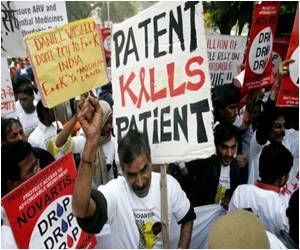
via Cape Argus, by Sipokazi Fokazi
 If South Africa is to win the battle against HIV/Aids it cannot rely solely on treatment, and must explore prevention strategies that would target those most at risk, including women and children, a Cape Town scientist and HIV researcher has cautioned.
Bekker was speaking during a meeting hosted by the Microbicide Media and Communication Initiative, an advocacy group that gathers research in microbicides by a range of organisations.
She warned that reliance on treatment would at some stage become unaffordable and unsustainable.
Finance continued to be a problem for many countries, and paying for antiretroviral drugs was becoming expensive.
“Given the financial difficulties, countries will somehow have to come up with plans on how to bring infection levels down.”
The focus needed to be on strategies that achieved behavioural change.
One of the most important things for South Africa was knowing its epidemic – who was most at risk, who was passing HIV to whom, and where the epidemic was concentrated.
UNAids information was that four population groups remained at risk: men who had sex with men, commercial sex workers, prisoners, and intravenous drug users.
In South Africa, young women and pregnant women could be added to that list.
Bekker suggested targeting, directing and tailoring prevention interventions to reduce infection rates.
“You need to know where most of your infections are occurring, and then to work out how best to intervene. I believe it has been a mistake to think one size fits all,” she said.
One area in which South Africa could start shutting the door was in the mother-to-child transmission of HIV.
“We need to wipe out paediatric infection.”
South Africa could not afford to allow transmission of the virus from mother to child.
“If we don’t prevent this, those children will need treatment for the rest of their lives and it will be expensive for the country. We can bring our mother-to-child HIVinfection rate to below 1 percent.”
Researchers had made great strides in HIV prevention studies, particularly in the field of microbicides.
Bekker said it was important that prevention packages be tailored to population groups that were most at risk.
Such strategies would have to take into account biomedical, behavioural and structural components.
“We are in a very exciting period where a whole range of biomedical technologies are showing partial but significant efficacy. Combinations of these prevention technologies in the future will give people options.”
Among the most promising interventions being researched by the Desmond Tutu HIV Centre and its partners was a rectal microbicide, for those practising anal sex. The proposed study would be carried out here and in other places around the world.
[If an item is not written by an IRMA member, it should not be construed that IRMA has taken a position on the article's content, whether in support or in opposition.]
 If South Africa is to win the battle against HIV/Aids it cannot rely solely on treatment, and must explore prevention strategies that would target those most at risk, including women and children, a Cape Town scientist and HIV researcher has cautioned.
Professor Linda-Gail Bekker, head of the Desmond Tutu HIV Centre, at UCT, said although the effect of HIV treatment was starting to show with the number of deaths beginning to even out, the country would not win the battle with treatment alone.
Bekker was speaking during a meeting hosted by the Microbicide Media and Communication Initiative, an advocacy group that gathers research in microbicides by a range of organisations.
She warned that reliance on treatment would at some stage become unaffordable and unsustainable.
Finance continued to be a problem for many countries, and paying for antiretroviral drugs was becoming expensive.
“Given the financial difficulties, countries will somehow have to come up with plans on how to bring infection levels down.”
The focus needed to be on strategies that achieved behavioural change.
One of the most important things for South Africa was knowing its epidemic – who was most at risk, who was passing HIV to whom, and where the epidemic was concentrated.
UNAids information was that four population groups remained at risk: men who had sex with men, commercial sex workers, prisoners, and intravenous drug users.
In South Africa, young women and pregnant women could be added to that list.
Bekker suggested targeting, directing and tailoring prevention interventions to reduce infection rates.
“You need to know where most of your infections are occurring, and then to work out how best to intervene. I believe it has been a mistake to think one size fits all,” she said.
One area in which South Africa could start shutting the door was in the mother-to-child transmission of HIV.
“We need to wipe out paediatric infection.”
South Africa could not afford to allow transmission of the virus from mother to child.
“If we don’t prevent this, those children will need treatment for the rest of their lives and it will be expensive for the country. We can bring our mother-to-child HIVinfection rate to below 1 percent.”
Researchers had made great strides in HIV prevention studies, particularly in the field of microbicides.
Bekker said it was important that prevention packages be tailored to population groups that were most at risk.
Such strategies would have to take into account biomedical, behavioural and structural components.
“We are in a very exciting period where a whole range of biomedical technologies are showing partial but significant efficacy. Combinations of these prevention technologies in the future will give people options.”
Among the most promising interventions being researched by the Desmond Tutu HIV Centre and its partners was a rectal microbicide, for those practising anal sex. The proposed study would be carried out here and in other places around the world.
[If an item is not written by an IRMA member, it should not be construed that IRMA has taken a position on the article's content, whether in support or in opposition.]