Pages

Tampilkan postingan dengan label Treatment. Tampilkan semua postingan

Non-communicable diseases (NCDs) and HIV fight for resources in Kenya

via PlusNews Global

"NCDs are sexy now, last year it was maternal health; there doesn't seem to be a genuine commitment by government to fully address any of these issues... where are the results? The government must not forget about people living with HIV," said James Kamau, coordinator of the Kenya Treatment Access Movement. "Where is the 15 percent they promised - that way, we could improve treatment of all illnesses."

The crowd of health issues jostling for a share of Kenya's inadequate health budget is expanding, with activists calling for an increase in resources for the management of non-communicable diseases (NCDs), which account for more than 50 percent of hospital deaths and admissions.

"We need to see more commitment in terms of resources; we have policies and guidelines for the management of non-communicable illnesses, but we need strategic focus on operational implementation," said Andrew Suleh, medical superintendent of Mbagathi District Hospital in the Kenyan capital, Nairobi.

According to the NGO, NCD Alliance, NCDs are responsible for more than half of all hospital admissions and deaths; 13 percent of deaths are due to cardiovascular disease, while cancers account for 7 percent and diabetes for 4 percent of deaths, respectively.

Read the rest.


[If an item is not written by an IRMA member, it should not be construed that IRMA has taken a position on the article's content, whether in support or in opposition.]

Plasma and rectal viral load correlated in HIV-positive gay men: supports use of treatment as prevention

via European AIDS Treatment Group, by Michael Carter

Viral load in the blood and rectal secretions of HIV-positive gay men are highly correlated, according to US research published in the September 1st edition of the Journal of Infectious Diseases. The study also showed that the presence of sexually transmitted infections did not increase rectal viral load.

Individuals with a plasma viral load above 1000 copies/ml were significantly more likely to have detectable virus in the rectum.

“Our data add substantially to the few published studies of HIV shedding in rectal secretions of MSM [men who have sex with men],” comment the investigators, “we were able to quantify HIV RNA in rectal secretions, demonstrate the linear correlation between increasing plasma load and rectal viral load and determine a threshold plasma viral load that distinguished detectable from undetectable rectal viral load.”

They also believe that their findings have important implications for current debates about the use of HIV treatment as prevention, commenting: “Combination antiretroviral therapy will have a similar effect on reducing HIV transmission in MSM, as seen in studies of heterosexual discordant couples.”

Read the rest.


[If an item is not written by an IRMA member, it should not be construed that IRMA has taken a position on the article's content, whether in support or in opposition.]

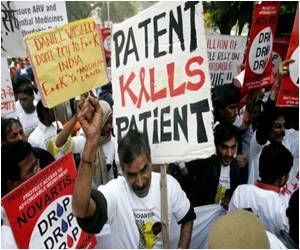
Legal Case in India Threatens HIV Drug Access for Poorest

via The Bureau of Investigative Journalism, by Melanie Newman

"India is literally the lifeline of patients in the developing world, especially in the poorest parts of Africa…If Sec. 3(d) is overturned, it means any meaningful effort to make these vital medicines available will be put in jeopardy."

A technical case going through the Supreme Court in India is being carefully watched by aid agencies and other human rights organisations, who claim it could have severe consequences for the supply of lifesaving drugs to the developing world.

More than 90% of drugs used to treat children with AIDS in Africa come from Indian generic manufacturers, according to the medical NGO Medicins Sans Frontieres. And if the Swiss pharmaceutical giant Novartis wins a case it has brought against the Indian government, MSF fears that supply could dry up.

Novartis is seeking patent protection for its leukaemia drug Glivec, whose patent has expired in India. It is challenging India’s interpretation of a section of the nation’s patent law — Section 3(d) — which prevents ‘evergreening’.

Read the rest.

[If an item is not written by an IRMA member, it should not be construed that IRMA has taken a position on the article's content, whether in support or in opposition.]

How Much Would it Cost to End AIDS?

via Bloomberg, by Simeon Bennet

Michel Kazatchkine and Eric Goosby may be able to halt the spread of HIV. They just need the money.

The two men control the funds that buy drugs for most of the world’s AIDS patients. Studies in July provided the strongest evidence yet that medicines used since 1994 to treat HIV can almost eliminate the chance an infected person will pass the virus to a sex partner. Given to healthy people, the treatments can also protect against infection, offering the potential to end a pandemic that has killed 30 million people in 30 years.

Governments are now planning projects to assess whether those findings can be replicated in the real world, and what that might cost. Getting the drugs just to those patients who should be treated under existing guidelines would cost another $6 billion a year, according to the United Nations. Treating all those infected, in some of the world’s poorest countries, would cost tens of billions more.

Finding more money will be difficult with economic growth stalling and nations including the U.S., the biggest donor to the AIDS fight worldwide, trying to curtail overall spending to rein in debt. Funding for AIDS in poorer nations fell 10 percent to $6.9 billion in 2010 from 2009 levels, according to the UN.

“We may well be able to overcome AIDS,” Kazatchkine, the director of the Geneva-based Global Fund to Fight AIDS, Tuberculosis and Malaria, said in an interview. Still, “the gap between what the science is telling us we can achieve and what we would be able to achieve is at risk of increasing.”

Read the rest.

[If an item is not written by an IRMA member, it should not be construed that IRMA has taken a position on the article's content, whether in support or in opposition.]

Early ARV Treatment Will Save Lives in South Africa


Government's decision to offer free ARV treatment to people with CD4 counts of 350 or less has been welcomed as a life-saver.

The South African government's announcement that it will give antiretroviral medication to people with HIV who have CD4 counts of below 350 will save lives and prevent infection.

This is according to Medecins Sans Frontieres (MSF), which welcomed the announcement made by Deputy President Kgalema Motlanthe on Friday (12 August).

Until Friday, people were only able to get ARVs if their CD4 count was below 200 unless they were pregnant or had tuberculosis.

"The decision to start people on HIV treatment earlier, before they become sick with diseases like tuberculosis, marks a critical moment for this country that is so hard hit by the epidemic," said Dr Gilles van Cutsem, Medical Coordinator for MSF in South Africa.

"When people are started earlier on ARV treatment, they are less likely to die, less likely to become ill, less likely to need hospitalisation and more likely to stick to their treatment in the long run."

A study conducted by MSF last year in Lesotho found that patients who started treatment above CD4 200 were 68% more likely to survive than patients those who started ARVs when their CD4 count was below 200.

Van Cutsem added that starting people on ARVs earlier was likely to prevent new infections as "ARV treatment dramatically reduces the spread of the virus to others, by making people living with HIV less infectious by up to 96 percent".

Meanwhile, a study published in PloS journal in July predicts that making ARVs available to people from CD4 of 350 would have a dramatic effect on the community of Hlabisa in northern KwaZulu-Natal.

Read the rest here.

[If an item is not written by an IRMA member, it should not be construed that IRMA has taken a position on the article's content, whether in support or in opposition.]

The crazy things they say: politicians and HIV


Political commitment is key to the success of HIV programmes and African leaders have been at the forefront of the fight against HIV on the continent, but politicians also have the power to harm HIV/AIDS campaigns.

Uganda's recently appointed health minister, Christine Ondoa, has been berated by AIDS activists for comments she allegedly made in an interview with a local newspaper on 1 August. According to The Observer, Ondoa claimed to know three people who had been cured of HIV through prayer.

"I am sure and I have evidence that someone who was [HIV] positive turned negative after prayers," she said.

Activists described her comments as "careless and misleading". Ondoa joins a long list of African leaders who have been criticized for comments deemed detrimental to the fight against HIV; here are some of the more controversial statements made by politicians:

Thabo Mbeki - In 1999, the then South African president said the ARV zidovudine - also known as AZT - had toxic side-effects and was dangerous to health, and as such, the government would not provide it free of charge to HIV-positive pregnant women.

Mbeki stirred controversy when he questioned the causal link between HIV and AIDS; in 2000 he set up a Presidential AIDS Advisory Panel, largely comprising AIDS denialists, to discuss how South Africa should deal with the crisis.

Mbeki also evoked conspiracy theories by alleging that the US Central Intelligence Agency, working with large pharmaceutical companies, was part of a conspiracy to promote the view that HIV caused AIDS.

In 2001, the NGO Treatment Action Campaign (TAC) filed a lawsuit against the government aimed at giving HIV-positive pregnant women access to the ARV, nevirapine, used to reduce the risk of HIV transmission from mother to child. TAC won the case, and the government was forced to provide the drug through the public health system.

According to the authors of a 2008 Harvard study, more than 330,000 lives were lost as a result of the delays in implementing a feasible and timely ARV treatment programme in South Africa.

Manto Tshabalala-Msimang - South Africa's health minister from 1999 to 2008 under Mbeki, her years in office were characterized by controversy, largely due to her reluctance to develop public sector policies involving the use of ARVs to fight AIDS.

Even after ARVs became available, Tshabalala-Msimang continued to cast doubt on their safety and efficacy, actively endorsing alternative therapists who promoted scientifically untested alternatives to ARVs.

Read the rest here.

[If an item is not written by an IRMA member, it should not be construed that IRMA has taken a position on the article's content, whether in support or in opposition.]

More in Uganda: Minister Comments Carelessly on HIV/AIDS

Via In2EA.

The Health Minister Christine Ondoa’s remarks that HIV/Aids can be cured through prayer have not been received well by both health practitioners and born-again preachers who called it careless and misleading remarks.

Yesterday, Ms Ondoa was quoted by the Observer newspaper to have had a firsthand experience with people she claimed were infected by the HIV/Aids virus but after a series of prayer, tested negative.

She, however, observed that medical workers and the general public should be cautious about people who claim they were healed of HIV, adding that as a scientist she is often careful not to automatically believe a person who comes to her presenting negative results after being prayed for. Such a person’s sero status must be checked and their medical records that show they tested positive must be scrutinised, Ms Ondoa added.

The Head of The Aids Support Organisation (TASO), Mr Richard Ochai, who refused to believe that a minister could say such a thing, said such statements, most especially from born-again churches, are continuously curtailing TASO efforts to fight against HIV/Aids whose prevalence in recent years is said to have increased in the country.

He said science has proved that if one takes ARVs the viral load will become low such that they may not be detected but once they stop taking the drug, the virus will definitely be seen again. “We know God can do miracles if he so wishes but these many possibilities still need scientific prove,” Dr Ochai said.

Read the rest here.

[If an item is not written by an IRMA member, it should not be construed that IRMA has taken a position on the article's content, whether in support or in opposition.]

Experts hash out guidelines for HIV trials involving men who have sex with men


 Last week’s encouraging results from two trials showing that prophylactic use of AIDS drugs in HIV-negative people can help prevent infection has underscored the value of studying new preventative treatments, particularly in high-risk groups. And one of the highest risk groups remains men who have sex with men — a term used to include men who might not self-identify as gay.

In the US, for example, men who have sex with men (MSM) represent about 2% of the population, but they accounted for 59% of new HIV diagnoses in 2009. Strikingly, a global review estimated that only 3.3% of HIV prevention spending goes to address the needs of the MSM community in parts of the world where the epidemic is concentrated.

In hopes of facilitating more work in this area, experts from groups such as the Foundation for AIDS Research (amfAR) and the International AIDS Vaccine Initiative held a session at the International AIDS Society meeting here this week to discuss a draft set of guidelines. Although the World Medical Association and UNAIDS have published research principles for biomedical trials in the past, the authors of the newly drafted guidance say it’s the first of its kind to specifically advise on HIV research among individuals who fall into the MSM and LGBT (gay, lesbian, bisexual, transgender) categories.

The draft guidance stresses that consensual same sex practices are illegal in some countries and stigmatized, sometimes by the findings of HIV research itself. “That is a real obstacle to the response,” says Chris Beyrer, director of the Johns Hopkins Center for Public Health & Human Rights in Baltimore, Maryland, an institute involved in drafting the document. He adds that the problem is “really troubling” in former Soviet states such as Uzbekistan and Ukraine where the epidemic is intensifying.

Clinical staff themselves sometimes face coercion. For instance, as many as nine AIDS workers were imprisoned briefly in Senegal in 2009. To help trial investigators and volunteers avoid dangerous or difficult situations, the document sets out a checklist for researchers, encouraging them to reach out to MSM and LGBT community leaders at the early planning stages of each clinical trial and to involve them in communicating the findings once the experiment is complete. It also encourages scientists to institute emergency plans in case participants or staff face threats.

Read the rest here.

[If an item is not written by an IRMA member, it should not be construed that IRMA has taken a position on the article's content, whether in support or in opposition.]

IAS 2011: Day 4 Press Release

OFFICIAL PRESS RELEASE – DAY 4
16.30 (CET), WEDNESDAY JULY 20

Late Breaker extracts - newsmakers

First global study of real-world circumcision rollout conducted over three-year period in South Africa amongst 110,000 adults shows a marked reduction (>60%) of HIV acquisition among circumcised adult men .

Elvitegravir once-daily is non inferior to raltegravir twice-daily in treatment experienced patients

iPrEx study: new, long-term data from the first large-scale clinical trial to demonstrate the efficacy of oral pre-exposure prophylaxis shows the durability of PrEP for HIV prevention


Wednesday, 20 July, 2011 (Rome, Italy) -- Researchers presenting late breaking research  on the final day of  the 6th IAS Conference on HIV Pathogenesis, Treatment and Prevention (IAS 2011) have today focussed on new studies in the field of circumcision, pre-exposure prophylaxis (PrEP) and antiretroviral treatment. The IAS 2011 conference has been attended by over 5000 researchers, clinicians and community leaders since Sunday in Rome.

  • The roll-out of male circumcision in the South African township of Orange Farm (ANRS 12126) is curbing the spread of HIV ( 16.30-17.30, SR2)
B. Auvert1, D. Taljaard2, D. Rech2, P. Lissouba3, B. Singh4, D. Shabangu2, C. Nhlapo5, J. Otchere-Darko2,T. Mashigo2, G. Phatedi2, R. Taljaard2, M. Tsepe2, M. Chakela2, A. Mkhwanazi2, P. Ntshangase2, S. Billy5,D. Lewis4

1Univeristy of Versailles, Versailles, France, 2Progressus, Johannesburg, South Africa, 3Inserm 1018, Villejuif, France, 4NICD-NHLS, Johannesburg, South Africa, 5SFH, Johannesburg, South Africa

Three years after the start of the male circumcision roll-out (ANRS 12126) in the South African township of Orange Farm (110 000 adults), a reduction in HIV prevalence and incidence among men has been observed. These findings demonstrate for the first time that male circumcision roll-out is effective at community level in curbing the spread of HIV. This research is coordinated by Inserm U1018/UVSQ and conducted by Progressus (South Africa), the National Institute of Communicable diseases of the NHLS (South Africa) and is financed by the French National Agency for Research on AIDS and Viral Hepatitis ANRS.

"The real-world effect of the roll-out of medical male circumcision (MMC) on the HIV epidemic has been until today, unknown,” said Professor Bertran Auvert, Professor of Public Health at the University of Versailles and  principal investigator of  the  study.

This study demonstrates that adult male circumcision works to reduce the spread of HIV in an African community highly affected by the epidemic. Reducing the number of new infections with adult male circumcision will save lives and reduce the need for antiretroviral therapy. This study shows also that the roll out of adult safe male circumcision should become a top health priority in Southern and Eastern Africa and that a strong political commitment is needed now,” concluded Auvert.

  • Completed observation of the randomized placebo-controlled phase of iPrEx: daily oral FTC/TDF pre-exposure HIV prophylaxis among men and trans women who have sex with men (16.30-17.30, SR2)
 R. Grant1,2, V. McMahan1, A. Liu3, J. Guanira4, M. Casapia5, J. Lama4, T. Fernandez6, V. Veloso7, S. Buchbinder3, S. Chariyalertsak8, M. Schechter9, L.-G. Bekker10, K. Mayer11, E. Kallas12, P. Anderson13, K.R. Amico14, D. Glidden2, for the iPrEx Study Team

1Gladstone Institutes, San Francisco, United States, 2University of California - San Francisco, San Francisco, United States, 3San Francisco Department of Public Health, San Francisco, United States, 4INMENSA, Lima, Peru, 5ACSA, Iquitos, Peru, 6Equidad, Guayaquil, Ecuador, 7FIOCRUZ, Rio de Janeiro, Brazil, 8RIHES, University of Chiang Mai, Chiang Mai, Thailand, 9Project Praca Onze, Hospital Escola Sao Francisco de Assis, Universidade Federal do Rio de Janeiro, Rio de Janeiro, Brazil, 10Desmond Tutu HIV Centre, University of Cape Town, Cape Town, South Africa, 11Fenway Health, Boston, United States, 12University of Sao Paulo, Sao Paulo, Brazil, 13University of Colorado Denver, Aurora, United States, 14University of Connecticut, Storrs, United States

New research will be presented from investigators of the iPrEx study, the first large-scale clinical trial to demonstrate the efficacy of oral pre-exposure prophylaxis (PrEP) as HIV prevention. Data presented here demonstrate that the HIV prevention impact of PrEP was durable throughout the iPrEx study and across participant subgroups, with no evidence of HIV drug resistance among individuals infected with HIV after starting PrEP and a very low rate of side effects.

"PrEP is an important HIV prevention tool with the potential to prevent significant numbers of new HIV infections," said iPrEx Protocol Chair Robert Grant, investigator at the Gladstone Institute of Virology and Immunology in San Francisco and Associate Professor of Medicine at the University of California.

"These data confirm that PrEP is safe and effective in MSM, one of the populations most affected by HIV worldwide. A four-continent open-label extension of the iPrEx study is underway. Global and national public health experts and advocates should work expeditiously to determine how to best make this lifesaving HIV prevention tool available for MSM, who bear the brunt of the epidemic in many parts of the world, “concluded Grant

  • Results of the Gilead 145 trial: Elvitegravir once-daily is non inferior to raltegravir twice-daily in treatment experienced patients: 48 week results from a phase 3 multicenter, randomized, double blind study (16.30-17.30, SR1)
 J.-M. Molina1, A. LaMarca2, J. Andrade Villanueva3, B. Clotet4, N. Clumeck5, Y.-P. Liu6, L. Zhong6, A. Cheng6, J. Szwarcberg6, S.L. Chuck6, for the Study 145 Group

1Hopital Saint Louis, Paris, France, 2Therafirst Medical Center, Fort Lauderdale, United States, 3HospitalCivil de Guadalajara, CUCS, U de G, Guadalajara, Mexico, 4Hospital Universitario Germans Trias i Pujol, Barcelona, Spain, 5C.H.U. St Pierre, Brussels, Belgium, 6Gilead Sciences, Foster City, United States

This is the first head to head comparison of elvitegravir an investigational once-daily HIV integrase inhibitor to raltegravir, the only approved integrase inhibitor today.

In this international phase III study involving 234 sites in United States, Europe, Canada, Mexico, Australia and Puerto Rico, 702 HIV-infected patients failing their current antiretroviral regimen with drug-resistant viruses, were randomized to receive in a double-blind fashion either once-daily elvitegravir or twice daily raltegravir in combination with a boosted protease inhibitor and a third agent. The primary efficacy endpoint at week 48 demonstrated similar efficacy of the two regimens with a virologic response rate (plasma HIV viral load below 50 copies/ml) of 59 and 58% in the elvitegravir and raltegravir arms, respectively using an intent to treat analysis, with a treatment difference of 1.1% (95% CI : -6.2;8.2).

The safety of the two regimens was also similar with only 2-3% of patients in both arms discontinuing treatment because of adverse events. Finally, the emergence of integrase resistance among patients with virologic failure was only 27% and 21% in the elvitegravir and raltegravir arms, respectively.

Overall, these results demonstrate the efficacy and safety of elvitegravir in combination with a ritonavir-boosted protease inhibitor for treatment-experienced patients, and position elvitegravir as an alternative once-daily integrase inhibitor. 

“For many people, HIV treatment might just have got simpler,"   said Jean-Michel Molina, the study’s principal investigator and Head  of   the  Department of Infectious Diseases at the  Hopital Saint Louis in Paris. “This  study is good news  for people living with HIV -  pending FDA approval they  will  now have available a new antiretroviral drug that only needs to be taken once a day which in itself will also promote better adherence,” concluded Molina.
[If an item is not written by an IRMA member, it should not be construed that IRMA has taken a position on the article's content, whether in support or in opposition.]

Growing sense of hope at international Aids conference

From the Guardian, by Sarah Boseley.

There appears to be real excitement at the International Aids Society conference in Rome (sadly I'm not there in person, but that is the feedback). There is still no vaccine on the horizon - once the biggest hope - but the news from recent studies that taking antiretroviral drugs protects people without HIV from infection (see the story here) and reduces the risk of people with HIV passing it to their partners (here) has changed the landscape. Suddenly we are in a world where Aids is more preventable than ever before - and both prevention and treatment come pill-shaped.

So there is no shortage of important people calling for more funds and more action to roll out drugs to the nine million people in developing countries estimated to need them right now. Michel Sidibé, executive director of UNAIDS, said it was an affront to humanity that there were gaps in coverage.

"We have to remember that history will judge us not by our scientific breakthroughs, but how we apply them," he said.

There are practical difficulties in the way of getting the drugs to all who need them, but beyond the rhetoric and the big picture, there are organisations which are trying to find better ways forward. The Drugs for Neglected Diseases Initiative, for instance, which has been doing excellent work on a select group of conditions - human African trypanosomiasis, leishmaniasis, Chagas disease and malaria - has decided to take on the needs of children with HIV. Paediatric formulations of antiretrovirals are inadequate. Children are not small adults. They don't just need a few less tablets - they need drugs that can be given in doses suitable for their weight and may need syrups rather than pills. This is Dr Bernard Pécoul, executive director of DNDi:

"There are millions of children with HIV/AIDS in low- and middle-income countries, but their needs are absent from the HIV research and development agenda, and this is largely because they are poor and voiceless and do not represent a lucrative market. Working with partners, we hope to help fill this terrible gap and offer improved treatment options for children with HIV/AIDS."
Read the rest here.

[If an item is not written by an IRMA member, it should not be construed that IRMA has taken a position on the article's content, whether in support or in opposition.]

AIDS conference opens in Rome

This the beginning of IRMA's coverage of the IAS conference in Rome which opened yesterday, and which is being attended by several IRMA advocates.

Via Associated Press, by Alessandra Rizzo.

The head of the United Nations AIDS program called Sunday for an increase in access to drugs that help treat or prevent the spread of the disease, saying it is "morally wrong" to keep millions of people off lifesaving medication.

Michael Sidibe, executive director of UNAIDS, said the gap in access to HIV treatment should be closed both within and between countries.

Sidibe called for better delivery on the ground, a reduction in the number of years it now takes to turn scientific discoveries into actual progress for the poor, and increased cooperation among states, pharmaceutical companies and international organizations.

"We must use innovation to overcome social division and inequity," he said at the opening of an international AIDS conference in Rome.

In Africa, the hardest hit continent, 6.6 million people are now on AIDS medication, but 9 million people eligible for treatment are on waiting lists, according to the World Health Organization. In the United States, many state assistance programs that help people access AIDS medications also have waiting lists.

"Most of those people don't know what'll happen to them. Do we tell them that they should die?" Sidibe said. "Having 9 million people wait day and night with their families is morally wrong. It is socially unacceptable."

The conference opened a few days after the announcement of a significant scientific breakthrough in stopping the spread of the virus: Two studies conducted in Africa showed that an antiretroviral drug made by United States firm Gilead Sciences already known to help prevent the spread of the virus in gay men also works for heterosexual men and women, researchers said. One of the studies showed the drug lowered the risk of infection for those believed to be regularly taking the pills by roughly 78 percent, the researcher reported.

In both studies, participants were also offered counseling and free condoms, which may help explain the relatively low overall infection rate.

According to figures provided at the conference, more than 25 million people have died of AIDS-related illnesses since the beginning of the pandemic 30 years ago, and an estimated 33.3 million people are currently living with HIV. Every day, 7,000 people across the world are infected, and more than 4,900 die from AIDS-related illness.

Even as conference speakers hailed the encouraging scientific advances, questions remained unanswered: How to make sure people remain on treatment, how to achieve universal coverage and how to reduce the risk of people abandoning condoms? Sidibe said these questions needed urgent answers.

And, he added, any discovery must be translated more quickly into policies accessible to those who need treatments, particularly in poor nations. Sidibe also said any trade agreement that would limit access to medication, especially generic ones, should be opposed.

That concern was shared by Elly Katabira, the president of the International AIDS Society and conference chair, who said: "I hope our voice will be heard in asking that access to all drugs, including generic drugs, will not be diminished by new laws or regulations anywhere in the world."

Gilead Sciences Inc., based in California, is a major producer of AIDS drugs. Two of its pills — Truvada and Viread — were used in the recent studies conducted in Botswana, Kenya and Uganda. The company has recently agreed to allow a range of its AIDS drugs to be made by generic manufacturers, potentially increasing their availability in poor countries.

The conference organized by IAS gathers some 5,000 researchers, scientists, clinicians and public health experts. It runs through Wednesday.

[If an item is not written by an IRMA member, it should not be construed that IRMA has taken a position on the article's content, whether in support or in opposition.]

Open-Label Extension of iPrEX HIV PrEP Study Begins at 11 Sites in 6 Countries

Via iPrEX News.

The iPrEx Open-Label Extension Study (iPrEx OLE), the next phase of the first human study to report efficacy results on pre-exposure prophylaxis (PrEP) to prevent HIV infection, has begun at clinical trial sites around the world. Approximately 2,000 men and transgender women who have sex with men are expected to participate in the 72-week iPrEx OLE study. Study sites in the United States and South Africa are enrolling participants now, as other study sites finalize the regulatory approval process.

In PrEP, antiretroviral medications that are usually used to treat HIV are taken by uninfected people to reduce their risk of infection. The iPrEx study found that men and transgender women who have sex with men (MSM) who took a single daily tablet containing the HIV medications emtricitabine and tenofovir (FTC/TDF), known commercially as Truvada®, experienced an average of 44% fewer HIV infections than those who received a placebo (blank pill). HIV infection rates in the iPrEx study dropped by 90% among those who used PrEP consistently enough to have detectable drug in the body. The HIV risk reduction benefits of PrEP were in addition to those provided by safer sex counseling, condoms, HIV testing and the detection and treatment of sexually transmitted infections. iPrEx study results were published in the New England Journal of Medicine in November, 2010.

The news of the start of iPrEx OLE follows the announcements by two other major PrEP studies, Partners PrEP and the CDC study in Botswana, known as TDF2, which demonstrated the safety and efficacy of PrEP in heterosexual women and men.

AdvertisementiPrEx OLE is a continuation of the iPrEx study that will collect additional data on PrEP efficacy, safety and adherence. All HIV-negative participants who took part in the original iPrEx study and who wish to participate will receive FTC/TDF for HIV prevention for 72 weeks through iPrEx OLE. No placebo will be used in the Open Label Extension.

"We are in a critical moment in HIV prevention research," said iPrEx Protocol Chair Robert Grant, MD, MPH of the Gladstone Institutes and the University of California at San Francisco. "iPrEx provided the first proof of an important new method of HIV prevention that can help slow the global toll of 2.6 million new HIV infections each year. Partners PrEP and the TDF2 study have now expanded that finding by demonstrating the effectiveness of PrEP in heterosexual women and men. Developing and deploying proven HIV prevention methods -- including PrEP, microbicides, vaginal gels, clean needles, medical male circumcision, early treatment, counseling, testing, condoms and suppressive therapy for pregnant women will all be key to slowing the global epidemic."

Read the rest here.

[If an item is not written by an IRMA member, it should not be construed that IRMA has taken a position on the article's content, whether in support or in opposition.]

Victory! Court Overturns “Anti-Prostitution Pledge”

Via Care2, by Jaime-Alexis.

Yesterday, a federal appeals court in New York ruled that the US cannot force organizations to formally pledge to denounce prostitution and sex trafficking in order to receive US funding for HIV and AIDS work. This is a significant victory for the global health community. Why is this good news? Because the policy—commonly known as the “anti-prostitution pledge”—is flawed.

The pledge requires all organizations—American or foreign—that receive US funds to fight HIV and AIDS abroad to adopt a formal position condemning prostitution and trafficking. I have been involved with international development organizations focused on HIV and AIDS. I have never met anyone in the development community who is not firmly opposed to—or horrified by—trafficking. There are few issues that bring such universal abhorrence. One problem with the anti-prostitution pledge however is that it conflates prostitution and trafficking, which ignores realities on the ground. In many developing countries there are individuals who sell sex for their livelihood—food, shelter. And these individuals require and deserve access to health and social services, including HIV prevention and care. Condemning and judging by denouncing their livelihood can drive them further from the help they need, limit their ability to access health care, provide for their families, or even leave the industry.

The ambiquity of the pledge language adds to the challenge. If, as in the case of one plaintiff, Pathfinder International, an organization works with sex workers to organize and empower them so that they can advocate for their rights (which is both an effective HIV prevention strategy as well as an effective means of reducing other harms of sex work, including violence and exploitation), is that “promoting prostitution?” No. For those of us in the development community, it means you’re helping those in need.

Perhaps even more problematic, the pledge, as defined by the Bush Administration who first enforced it and now the Obama Administration, applies not only to US government funding, but to private donations as well. That means that even if an organization is not using any government funds to provide services to sex workers, they could potentially lose US funding for their separate, privately-funded work.

Recognizing the issues with this policy, Pathfinder and Alliance for Open Society International originally brought the US Government to court in 2005. “Trust that it was not an easy decision for Pathfinder to take our largest funder—the US Government—to court,” Pathfinder President Daniel E. Pellegrom said. “However, we strongly believe vital principles were, and continue to be, at stake. Private organizations cannot be told what to think or believe; they cannot be compelled to espouse a government mandated position. And they must be free to challenge the status quo and to speak out on behalf of the vulnerable and disenfranchised.”

 Read the rest here.

[If an item is not written by an IRMA member, it should not be construed that IRMA has taken a position on the article's content, whether in support or in opposition.]

Fauci - AIDS: Let Science Inform Policy

via Science, by Anthony S. Fauci

Thirty years have passed since the first cases of acquired immune deficiency syndrome (AIDS) were reported by the U.S. Centers for Disease Control and Prevention. How does this anniversary compare to the 20th or the 10th? The differences are considerable, because we now have an unprecedented opportunity, based on solid scientific data, to control and ultimately end the AIDS pandemic.

More than 60 million people have been infected with human immunodeficiency virus (HIV) worldwide. More than 30 million have died, and 34 million are currently living with HIV infection. In 2009, the most recent year for which data are available, 2.6 million people became newly infected. The burden of HIV/AIDS is overwhelmingly felt in resource-poor countries, especially in sub-Saharan Africa, which are least equipped to deal with the disease. Although the toll is staggering, the scientific progress in HIV/AIDS research over 30 years has been extraordinary, particularly in the development of antiretroviral therapy (ART), which has proven to be life-saving to many millions.

For decades, the idea of ending or even controlling the pandemic was a distant aspiration because we lacked sufficient evidence-based tools to convert the hope to reality. At this 30th anniversary, the situation has dramatically changed: We finally have scientifically validated prevention modalities that clearly work, suggesting that ending the pandemic is feasible. Older, proven prevention tools include the proper use of condoms, needle exchange programs for injection drug users, and antiretroviral treatment of HIV-infected pregnant women to prevent transmission of the virus to their newborn infants. Building on this foundation, recent HIV prevention research also has provided strong scientific evidence that adult male circumcision is highly effective in preventing infection in heterosexual men, that an antiretroviral-based topical gel prevents infection in heterosexual women, and that pre-exposure prophylaxis with ART in men who have sex with men is effective at preventing infection. And in May 2011, a randomized controlled clinical trial demonstrated that early initiation of ART by the infected partner in heterosexual couples, where one partner is HIV-infected and the other not, is highly effective in decreasing transmission of HIV to the uninfected partner.

The fact that treatment of HIV-infected adults is also prevention gives us the wherewithal, even in the absence of an effective vaccine, to begin to control and ultimately end the AIDS pandemic. Of course, the development of an AIDS vaccine would be the ultimate game-changer, and efforts toward this goal are intense. However, the existing armamentarium of scientifically proven interventions immediately offers an unprecedented opportunity to make major gains in the fight against HIV/AIDS. Global implementation of HIV interventions, including scale-up of the delivery of ART, must be accelerated, and this will be costly. Certainly, there are many competing priorities for scarce resources in the global health arena, such as other infectious diseases, maternal and child health, and tobacco control. But if one accepts the tenet that science should inform policy, then the scientific data are speaking loud and clear. Global policy-makers must seriously consider these new data in their priority-setting and decision-making.

Last month, world leaders at the United Nations General Assembly Meeting on AIDS called for providing ART for 15 million people in low- and middle-income countries by 2015, an increase from the 6.6 million currently receiving therapy, plus additional efforts toward universal access to HIV prevention, treatment, and care. An estimated $22 billion to $23 billion annually will be needed by 2015; current spending is approximately $16 billion. Such targeted investments could prevent 12 million infections and 7.4 million AIDS-related deaths by 2020. For the first time in the history of HIV/AIDS, controlling and ending the pandemic are feasible; however, a truly global commitment, including investments by those rich and middle-income countries whose contributions have thus far been limited, is essential. Major investments in implementation now will save even greater expenditures in the future; and in the meantime, countless lives can be saved.

Source.

[If an item is not written by an IRMA member, it should not be construed that IRMA has taken a position on the article's content, whether in support or in opposition.]

Bloomberg Editorial: Treatment has Grown, Prevention Has Languished

via Bloomberg

AIDS has been with us, officially, for 30 years, since the U.S. Centers for Disease Control and Prevention reported the first cases. This unhappy anniversary is perhaps as good a time as any to spell out why the global response to AIDS is in need of serious adjustment.

Annual spending on AIDS worldwide has risen to $15.9 billion. The bulk of this money goes to the treatment and care of indigent people who are HIV-positive. Without question, the investment in anti-retroviral therapy, or ART, has saved lives. Today, the treatment is provided to about 36 percent of those in the developing world who qualify for it under World Health Organization guidelines.

United Nations member states have pledged to raise that to almost 100 percent. Universal treatment has become the principal mission of many AIDS organizations around the world; governments and philanthropies have followed their lead.

The idea of treating everyone who has the human immunodeficiency virus, regardless of ability to pay, is laudable. The problem is, the laudable runs the risk of crowding out both the practical and the doable. As programs for treatment have grown, those focused on prevention have languished or gotten short-shrift.

Read the rest.


[If an item is not written by an IRMA member, it should not be construed that IRMA has taken a position on the article's content, whether in support or in opposition.]

Lancet: Towards an improved investment approach for an effective response to HIV/AIDS


via The Lancet

Summary

Substantial changes are needed to achieve a more targeted and strategic approach to investment in the response to the HIV/AIDS epidemic that will yield long-term dividends. Until now, advocacy for resources has been done on the basis of a commodity approach that encouraged scaling up of numerous strategies in parallel, irrespective of their relative effects. We propose a strategic investment framework that is intended to support better management of national and international HIV/AIDS responses than exists with the present system. Our framework incorporates major efficiency gains through community mobilisation, synergies between programme elements, and benefits of the extension of antiretroviral therapy for prevention of HIV transmission. It proposes three categories of investment, consisting of six basic programmatic activities, interventions that create an enabling environment to achieve maximum effectiveness, and programmatic efforts in other health and development sectors related to HIV/AIDS. The yearly cost of achievement of universal access to HIV prevention, treatment, care, and support by 2015 is estimated at no less than US$22 billion. Implementation of the new investment framework would avert 12·2 million new HIV infections and 7·4 million deaths from AIDS between 2011 and 2020 compared with continuation of present approaches, and result in 29·4 million life-years gained. The framework is cost effective at $1060 per life-year gained, and the additional investment proposed would be largely offset from savings in treatment costs alone.

Click here for full text, free (just need to register.)

[If an item is not written by an IRMA member, it should not be construed that IRMA has taken a position on the article's content, whether in support or in opposition.]

The Economist: The end of AIDS?

Thirty years on, it looks as though the plague can now be beaten, if the world has the will to do so...

via The Economist

Excerpt:

If AIDS is defeated, it will be thanks to an alliance of science, activism and altruism. The science has come from the world’s pharmaceutical companies, which leapt on the problem. In 1996 a batch of similar drugs, all of them inhibiting the activity of one of the AIDS virus’s crucial enzymes, appeared almost simultaneously. The effect was miraculous, if you (or your government) could afford the $15,000 a year that those drugs cost when they first came on the market.

Much of the activism came from rich-world gays. Having badgered drug companies into creating the new medicines, the activists bullied them into dropping the price. That would have happened anyway, but activism made it happen faster.

The altruism was aroused as it became clear by the mid-1990s that AIDS was not just a rich-world disease. Three-quarters of those affected were—and still are—in Africa. Unlike most infections, which strike children and the elderly, AIDS hits the most productive members of society: businessmen, civil servants, engineers, teachers, doctors, nurses. Thanks to an enormous effort by Western philanthropists and some politicians (this is one area where even the left should give credit to George Bush junior), a series of programmes has brought drugs to those infected.

The result is patchy. Not enough people—some 6.6m of the 16m who would most quickly benefit—are getting the drugs. And the pills are not a cure. Stop taking them, and the virus bounces back. But it is a huge step forward from ten years ago.

What can science offer now? A few people’s immune systems control the disease naturally (which suggests a vaccine might be possible) and antibodies have been discovered that neutralise the virus (and might thus form the basis of AIDS-clearing drugs). But a cure still seems a long way off. Prevention is, for the moment, the better bet.

There are various ways to stop people getting the disease in the first place. Nagging them to use condoms and to sleep around less does have some effect. Circumcision helps to protect men. A vaginal microbicide (none exists, but at least one trial has gone well) could protect women. The new hope centres on the idea of combining treatment with prevention.

Read the rest.


[If an item is not written by an IRMA member, it should not be construed that IRMA has taken a position on the article's content, whether in support or in opposition.]