Pages

Tampilkan postingan dengan label prevention. Tampilkan semua postingan

Media campaign on disclosure and stigma changes gay men’s attitudes

via aidsmap, by Roger Pebody

A Canadian campaign which asked gay men “If you were rejected every time you disclosed, would you?” appears to have raised men’s understanding of the dilemmas which men with HIV face. The campaign also succeeded in reducing the number of men who try to avoid infection by relying on men with HIV disclosing their status, researchers report in the October issue of Health Education Research.

The campaign was not intended to broadcast a ‘message’ or give instructions, but to stimulate dialogue within local communities. Moreover the authors suggest that the extensive community consultation which went into its development contributed to the campaign’s success.

Staff from frontline HIV prevention work, public health, government and academia participated in the consultation which identified HIV-related stigma as a priority issue. Moreover they focused on stigma within gay communities as it is manifested in the attitudes of some HIV-negative men towards potential sexual partners who have HIV. The campaign developers believe that there are links between the problems of stigma, disclosure, conflicting assumptions and risk taking.

Read the rest.


[If an item is not written by an IRMA member, it should not be construed that IRMA has taken a position on the article's content, whether in support or in opposition.]

Gay couples in Atlanta back HIV tests together


Some gay male couples, including ones in Atlanta and two other cities, support getting HIV tests with their partner as a way to bolster the relationship, but current testing protocols may not support it, according to a new study from Emory University researchers.

The study, “Attitudes Towards Couples-Based HIV Testing Among MSM in Three U.S. Cities,” was published in the journal AIDS and Behavior. Dr. Rob Stephenson of the Rollins School of Public Health at Emory worked with three colleagues from the school and others in Chicago and Seattle to complete the study. It calls on opening HIV testing to gay couples as a way to fill “a significant gap” in couples-based services for men who have sex with men (MSM) and to help them integrate routine HIV testing into their lives.

“Services remain individually focused,” the researchers say. “[Couples-based voluntary HIV counseling and testing] provides an opportunity for MSM to talk about sex, and to make plans for safer sexual behavior as a couple in the presence of a counselor.”

“The initial results presented here are encouraging. Couples-based voluntary HIV counseling and testing] is an acceptable format for HIV counseling and testing among MSM in this study, and if it is adapted and promoted well, could fill a significant gap in couples-based services for U.S. MSM,” they add.

The researchers launched the study after noting that heterosexual couples in Africa in which one member is HIV-positive and the other is not who receive HIV counseling and testing together helped bring about behavioral changes that reduced HIV transmission. So they examined attitudes toward couples-based testing with four focus groups of gay men in relationships in Atlanta, Chicago and Seattle.


[If an item is not written by an IRMA member, it should not be construed that IRMA has taken a position on the article's content, whether in support or in opposition.]

My Summer with IRMA

By Aldona Martinka, IRMA Intern

Today is my last day at the AIDS Foundation of Chicago, where I had the pleasure of interning this summer. I am one of the last summer interns remaining, and the empty intern “sweatshop” surrounds me. I had the opportunity to work with AFC and IRMA, as well as with Mapping Pathways and Project CRYSP for the summer at this desk, facing a window with blinds that are always closed. The closed blinds never bothered me, though, because whenever I was at my desk my eyes were fixed on my computer screen. I know that statement does little to separate me from the rest of my generation, but there is a good reason that I did not often look away from my work: I was fascinated.

I joke with my friends that I read about sex all day for work, but it’s true. In my work with HIV, and especially in my work with IRMA, I am constantly exposed to sex. My days are spent absorbing information about it: clinical studies showing the effectiveness of antiretroviral-based prevention methods, laws that criminalize and stigmatize high-risk groups, public health efforts in deeply-affected areas, or even sexual advice for HIV-positive people looking for love in modern America. Not only that, but for IRMA much of my reading was about the sexual act that is perhaps the most taboo, anal sex, because of the high risk of transmission and the sociocultural issues surrounding it. For a shy girl from a Catholic family this was a lot to take in. I quickly adjusted, though, and as my internship comes to a close I can discuss lubricant distribution in the rectum with a straight face and a confident smile. Though initially kind of shocking, I learned so much in these past several months, and what I learned has crystallized so much for me.

I learned that there are more HIV prevention tools even than there were 4 years ago when I took sex ed in high school. Rectal and vaginal microbicides, PrEP, and treatment as prevention represent real methods of preventing HIV that should be added to condoms as tools in the global prevention toolbox. Not only are they effective enough to warrant more exploration and consideration, but they provide protection in the wide variety of cases where condoms are a less desirable option, or not an option at all. With these prevention methods sex workers, wives in patriarchal societies, members of sero-discordant couples, and many other at-risk people can be protected that may not want to or be able to use condoms for a variety of reasons.

I learned just how inextricably HIV/AIDS is linked to my other passion: human rights. I learned about how government and cultural views toward sex workers, women, and LGBT people affects everything from the availability of condoms to the accessibility of treatment, and can create many difficulties in between. I also learned about the criminalization and stigmatization of HIV-positive individuals, something which surprised and horrified me, and how the continuation of these only obstructs public health efforts.

I learned so much, but I learned one last thing of personal significance to me. I was chattering excitedly at my father about the internship portion of my upcoming semester abroad in India, and how I hoped to work with an organization there that fights HIV. He asked if I wanted to look at other internships as well, to broaden my areas of knowledge in public health. While answering that question, I realized that everything I’ve learned in this internship, all of the related issues and exciting science, had led me to this seemingly unexceptional question. “No,” I said, “I want to continue to work with HIV.” Everything about it, the human right issues, the new advances in prevention and treatment, and my personal experiences with advocacy work, have captured my attention and drawn me to the fight against AIDS. I hope to continue in the field of HIV prevention and advocacy, and my time at the AIDS Foundation of Chicago with IRMA has provided me with invaluable experience. Thank you to all of the IRMA community for allowing me this opportunity. With a bit of luck and a lot of hard work, hopefully someday no one will have to go without a way to prevent HIV, for any reason.

[If an item is not written by an IRMA member, it should not be construed that IRMA has taken a position on the article's content, whether in support or in opposition.]

New Report Shows Major AIDS Funders Fail to Track Investments for Gay Men and Transgender People

Via MSMGF.

A new report indicates that most major bilateral, multilateral and private philanthropic funders that focus on HIV do not consistently track their investments targeting men who have sex with men (MSM) and transgender people. Produced by the Global Forum on MSM & HIV (MSMGF), the report also examines tracking of domestic government funding dedicated to these populations in all UN Member States, revealing that only 25% these countries recorded levels of HIV prevention spending for MSM in 2010 and no country tracked spending for transgender people.

“With overwhelming evidence for the need to prioritize MSM and transgender people in the global fight against AIDS, it is shocking that so few funders actually know how much money they are spending on these populations,” said Dr. George Ayala, Executive Officer of the MSMGF. “Funders often talk about the importance of investing in key affected populations, but budgets offer a clear reflection of what their priorities actually are. HIV investments must be accounted for in order to ensure that MSM and transgender people are getting the support they need.”

In the few countries that did track HIV prevention spending for MSM, the report indicates expenditures fell far below the amount required to achieve universal access. According to country reports made to the United Nations in 2010, an average of 2% of national HIV prevention budgets was dedicated to MSM in the 42 low- and middle-income countries that tracked spending for this population – $15.8 million in total. Nearly 75% of that sum came exclusively from international sources, highlighting the role of bilateral, multilateral and large private philanthropic funding in service provision for MSM in low- and middle-income countries.

The report follows a number of recent publications arguing in favor of targeted investments for most-at-risk populations like MSM and transgender people. In June of this year, the World Bank issued a report demonstrating that increased access to HIV prevention and treatment for MSM can change the trajectory of a national epidemic. That same month, the Lancet published a new global HIV investment framework that emphasizes the importance of targeted investments for key affected populations.

“After 30 years of diffused investment, the world is realizing that a focused approach is the only one that will work,” said Dr. Ayala. “It is time for funders to reflect that in their budgets and track their investments by population. Donor agencies must communicate and coordinate to ensure adequate coverage without duplication, and we must all aim for a higher level of accountability to the people we serve.”

Read the rest here.

[If an item is not written by an IRMA member, it should not be construed that IRMA has taken a position on the article's content, whether in support or in opposition.]

Petition for informed debate about PrEP. HIV+ gay and bi men, please SIGN BELOW!

The release of data from the iPrEx study of pre-exposure prophylaxis (PrEP) for HIV prevention in gay and bisexual men and transgender women has led to a good deal of debate about whether and how PrEP should be used.

Unfortunately, some of that debate has been fueled by misrepresentations of the study data and, perhaps more alarmingly, by groundless assertions that gay/bi men and other men who have sex with men (MSM) will misuse PrEP, spread drug resistance and act without regard to their health or the health of others if PrEP is made available. A paid ad campaign by the AIDS Healthcare Foundation running in gay papers across the country has contributed to spreading false ideas both about PrEP and about the commitment of gay/bi men to care for themselves and others. We reject those false assertions and want a full and factual discussion of the pros and cons of PrEP in our community.

Recently, two additional studies, Partners PrEP and the CDC's TDF2 study have confirmed the safety and efficacy of PrEP, this time in heterosexual women and men.

A small group of HIV positive gay/bi men who are committed to promoting safer sex and the open exchange of accurate information are circulating the following letter to help clarify the facts about PrEP, open up community discussion and make clear our belief that we are entitled to respect, accurate information and new HIV prevention tools.

This sign on letter is part of a broad array of advocacy activities being undertaken by the national PrEP Committee. Members of the PrEP Committee include individuals from a host of organizations working on PrEP and other new prevention technologies who meet regularly by phone and email to share information and strategize.

For allies who are not HIV+ gay/bi men, you can learn more about this work and how to participateby sending an email to Jim Pickett at jpickett@aidschicago.org.

We encourage HIV+ gay/bi men who are allied in the fight against AIDS to help us clear the record about PrEP by signing on to this letter.


[If an item is not written by an IRMA member, it should not be construed that IRMA has taken a position on the article's content, whether in support or in opposition.]

Project ARM: John Shaw Memorial Scholarship Call for Application

Project ARM—Africa for Rectal Microbicides—is a long-term, sustained project which aims to develop community capacity around rectal microbicide advocacy in order to ensure broad participation in research activities and well-informed community input into the development of an African rectal microbicide agenda. The end goal is enhanced rectal microbicide advocacy in Africa as well as the planning and implementation of rectal microbicide trials on the continent. Project ARM is coordinated by International Rectal Microbicide Advocates (IRMA). First year funding for Project ARM has been secured from the United States National Institutes of Health – Office of AIDS Research and the New Venture Fund. AVAC is also partnering with IRMA on this initiative.

Project ARM evolved from discussions initiated by IRMA through its listserv, and from input received from African advocates and partners at two informal meetings held in conjunction with the Microbicides 2010 (Pittsburgh) and AIDS 2010 (Vienna) conferences. A working group was formed following the Microbicides 2010 meeting, and has guided this process ever since. There are now 60 working group members including advocates and community members, researchers, funders and policy-makers from 10 African countries, as well as a few key international partners.

In order to develop an African rectal microbicide agenda that articulates research, advocacy and community mobilisation strategies, IRMA is hosting a working meeting on 2-3 December 2011 in Addis Ababa as part of Project ARM. This invite-only meeting is taking place prior to the 16th International Conference on AIDS and STIs in Africa (ICASA, December 4–8), and is considered an official satellite session.

PLEASE NOTE: This is a working meeting—not a workshop, nor a conference.

The objectives of the December working meeting are:
  • To promote a common understanding of how rectal microbicide (RM) research and advocacy is proceeding, the potential role that African RM research and advocacy could play, and the various African contexts within which RMs would be introduced.

  • To enhance the capacity of African community advocates to participate in RM agenda-setting, research and mobilisation efforts.

  • To stimulate strategies for African community mobilization around RMs; to put RMs on the research agenda in Africa; and, to develop an African RM research agenda that is part of a global RM research agenda.


AIMS OF THE SCHOLARSHIP PROGRAMME 
  1. To strengthen research literacy and advocacy capacity amongst IRMA membership in Africa

  2. To promote and enhance the role and standing of IRMA within the microbicide community in Africa

  3. To facilitate the involvement of well-informed and active members of the African research and advocacy communities in the development of an African rectal microbicides agenda

  4. To ensure diversity in participation at the meeting, including from researchers and community members, women and men, gay men and other men who have sex with men, people living with HIV, and different regions of Africa

We are covering the travel costs of more than 30 of the 40 meeting participants—most of which are Africans—including speakers, organisers, invited guests, and key partners. This includes an additional 12 scholarships for Africans through this call for applications.

For more information, please send an email to rectalmicro@gmail.com.

[If an item is not written by an IRMA member, it should not be construed that IRMA has taken a position on the article's content, whether in support or in opposition.]

The crazy things they say: politicians and HIV


Political commitment is key to the success of HIV programmes and African leaders have been at the forefront of the fight against HIV on the continent, but politicians also have the power to harm HIV/AIDS campaigns.

Uganda's recently appointed health minister, Christine Ondoa, has been berated by AIDS activists for comments she allegedly made in an interview with a local newspaper on 1 August. According to The Observer, Ondoa claimed to know three people who had been cured of HIV through prayer.

"I am sure and I have evidence that someone who was [HIV] positive turned negative after prayers," she said.

Activists described her comments as "careless and misleading". Ondoa joins a long list of African leaders who have been criticized for comments deemed detrimental to the fight against HIV; here are some of the more controversial statements made by politicians:

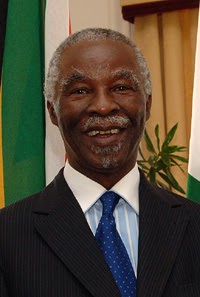
Thabo Mbeki - In 1999, the then South African president said the ARV zidovudine - also known as AZT - had toxic side-effects and was dangerous to health, and as such, the government would not provide it free of charge to HIV-positive pregnant women.

Mbeki stirred controversy when he questioned the causal link between HIV and AIDS; in 2000 he set up a Presidential AIDS Advisory Panel, largely comprising AIDS denialists, to discuss how South Africa should deal with the crisis.

Mbeki also evoked conspiracy theories by alleging that the US Central Intelligence Agency, working with large pharmaceutical companies, was part of a conspiracy to promote the view that HIV caused AIDS.

In 2001, the NGO Treatment Action Campaign (TAC) filed a lawsuit against the government aimed at giving HIV-positive pregnant women access to the ARV, nevirapine, used to reduce the risk of HIV transmission from mother to child. TAC won the case, and the government was forced to provide the drug through the public health system.

According to the authors of a 2008 Harvard study, more than 330,000 lives were lost as a result of the delays in implementing a feasible and timely ARV treatment programme in South Africa.

Manto Tshabalala-Msimang - South Africa's health minister from 1999 to 2008 under Mbeki, her years in office were characterized by controversy, largely due to her reluctance to develop public sector policies involving the use of ARVs to fight AIDS.

Even after ARVs became available, Tshabalala-Msimang continued to cast doubt on their safety and efficacy, actively endorsing alternative therapists who promoted scientifically untested alternatives to ARVs.

Read the rest here.

[If an item is not written by an IRMA member, it should not be construed that IRMA has taken a position on the article's content, whether in support or in opposition.]

Study - Addressing Social Drivers of HIV/AIDS for the Long-Term Response: Conceptual and methodological Considerations

Via MSMGF.

A key component of the shift from an emergency to a long-term response to AIDS is a change in focus from HIV prevention interventions focused on individuals to a comprehensive strategy in which social/structural approaches are core elements. Such approaches aim to modify social conditions by addressing key drivers of HIV vulnerability that affect the ability of individuals to protect themselves and others from HIV. The development and implementation of evidence-based social/structural interventions have been hampered by both scientific and political obstacles that have not been fully explored or redressed. This paper provides a framework, examples, and some guidance for how to conceptualise, operationalise, measure, and evaluate complex social/structural approaches to HIV prevention to help situate them more concretely in a long-term strategy to end AIDS.

Conclusion:
After nearly 30 years of the HIV/AIDS pandemic, there have been woefully few examples of truly successful HIV prevention initiatives conceived and implemented by national policy makers and programme planners. To ensure measurable HIV prevention success by 2031, the 50th anniversary of the epidemic, it will be necessary to move beyond the limited, individualistic, urgency-based approaches of the past. Shifting from an emergency framework and mounting a long-term response to AIDS requires new approaches that engage with underlying social-structural drivers of patterns of practices that influence vulnerability and facilitate the spread of HIV, as part of comprehensive, strategic programming (or ‘combination prevention’).

Patterns of behaviour and practices arise from combinations of drivers, operating in specific social, economic, and political contexts. As such, no single causal pathway can be drawn from a social driver to a set of practices or behaviours; rather, a range of potential outcomes may arise. Making causal inference about correlations between social drivers and HIV burden involves identifying ‘sociologically plausible’ pathways drawn from extant social science and epidemiological data. Engaging with social drivers requires methods and approaches beyond traditional conceptualisations that seek to identify and intervene on single, causal determinants or universal mechanisms of influence. HIV prevention researchers and advocates should reject and resist over-simplified language for social drivers. Statements that particular social-structural factors ‘do’ or ‘do not’ lead to HIV transmission are almost always too simplistic; language should shift to discussing how, in what circumstances, and for whom particular combinations of factors contribute to HIV vulnerability (or, conversely, resilience). In order to be rigorous, design of HIV prevention programmes and interventions aiming to address social-structural factors should:
  • Begin with an assessment of the social and structural factors that may be
  • increasing HIV vulnerability in targeted populations and settings.
  • Identify (hypothesise) sociologically plausible causal chains between distal structural factors and specific individual or group practices.
  • Identify levels of possible influence, in line with the HIV prevention programme’s or intervention’s scope and aim.
  • Articulate any assumptions about such influences and aims including potential expected and unexpected consequences of the programme or intervention (including other social impacts).
  • Build in evaluation mechanisms that are both feasible and appropriate to the aim, level, scope and method of the programme or intervention as a way to enable validation of assumptions, investigation of the mechanisms by which structures affect risk and vulnerability, and appropriate assessment of outcomes and impact.
Find the whole study here.

[If an item is not written by an IRMA member, it should not be construed that IRMA has taken a position on the article's content, whether in support or in opposition.]

Bacterial Bioshield Could Keep HIV at Bay


A LIVING microbicide reduces HIV-like infection in monkeys, and might one day provide women with long-lasting defence against the virus.

Dean Hamer of the National Institutes of Health in Bethesda, Maryland, and colleagues engineered naturally occurring vaginal bacteria to produce the anti-HIV protein cyanovirin-N.

They applied a gel containing the bacteria to the vaginas of rhesus macaques before infecting them by the same route with a hybrid of SIV and HIV. The engineered bacteria cut the infection rate by 63 per cent (Mucosal Immunology, DOI: 10.1038/mi.2011.30).

Human females have 10 times as much of the bacteria as female macaques, so the engineered bacteria could reduce infection rates even more dramatically, says Hamer. Clinical tests could begin in a few years after safety testing.

[If an item is not written by an IRMA member, it should not be construed that IRMA has taken a position on the article's content, whether in support or in opposition.]

Homophobia in Ghana


Understanding the Drivers of Homophobia in Ghana


Recent condemnation of homosexuality by religious and political leaders in Ghana has led to a climate of fear preventing men who have sex with men (MSM) from accessing vital health services, say local NGOs.

The minister of Ghana’s Western Region, Paul Evans Aidoo, publicly described homosexuality as “detestable and abominable” after media reports in late May that 8,000 homosexuals had registered with health NGOs in the country’s west (the information appears to come from records kept by the NGOs of people who accessed services for MSM). Aidoo has since called for increased security in the region and the arrest of all homosexuals. Other religious leaders and politicians have followed suit, condemning homosexual activity.

As a result, far fewer MSM are accessing safe sex education and support programmes run by the Centre for Popular Education and Human Rights (CEPEHRG) to prevent the spread of HIV, said MacDarling Cobbinah from the Coalition against Homophobia in Ghana and a member of CEPEHRG.

“It has brought about a lot of fear and stigma for the people. It is difficult to organize programmes,” Cobbinah said. “It is very difficult for people to walk freely on the street… The call for arrest has really pushed people down.”

He added that one of his colleagues was recently accused of being gay and beaten up by a group of men.

Cobbinah said numbers had dropped at a regular HIV peer education programme that once had more than 20 people attending; two weeks ago only half the people came, and last week no one came, he told IRIN on 27 July. “They said, ‘If we come, we might be arrested.'”

An estimated 25 percent of Ghanaian MSM were HIV-positive in 2006, according to the US Agency for International Development (USAID).

According to the UN World Health Organization, since the beginning of the epidemic in the early 1980s, MSM have been disproportionately affected by HIV. The organization said social discrimination of MSM led them to delay or avoid seeking HIV-related information, care and services.

Other organizations in Ghana are also facing obstacles to providing vital services. An NGO based in the Western Region’s capital Sekondi-Takoradi, which distributes condoms and safe sex information to MSM, told IRIN that since Aidoo increased security and called for arrests they have felt threatened.

Male-to-male sexual relations are a crime in Ghana. Considered a misdemeanor, it carries a maximum sentence of six months, according to Kissi Agyabeng, a law lecturer at the University of Ghana. However, despite Aidoo’s calls for a crackdown, arrests do not yet appear to be taking place.

A spokesperson for the Sekondi-Takoradi NGO, who did not want his name or the organization’s name published for security reasons, said the NGO was now coming under pressure from the government to stop their work on HIV prevention if they did not reveal the names of MSM who have registered to use their services.

Stopping this work would affect thousands of people. In 2008, 2,900 people accessed their services, and by this year numbers had quadrupled, the spokesperson said.

...

Read the rest of the article here. For a fascinating personal story from a gay Ghanaian, read Paula Stromberg's article A Good Day in Ghana here.

[If an item is not written by an IRMA member, it should not be construed that IRMA has taken a position on the article's content, whether in support or in opposition.]

Washington D.C.: Public Meeting on Safety Issues in PrEP

An invitation from the Forum for Collaborative HIV Research:


Safety Issues in Pre-exposure Prophylaxis for HIV negative individuals, proposals for management of safety concerns, and pending plans for scale-up

Forum for Collaborative HIV Research
1608 Rhode Island Avenue, NW
Washington, DC 20036

August 19, 2011
8:30am - 4:00pm

The Forum for Collaborative HIV Research has been tasked by our collaborators in the public health community, including the US Food and Drug Administration, to convene an open public meeting to address safety issues that may surround the introduction of biomedical approaches to prevent HIV infection. Recent data from the iPrEx, Partners PrEP and CDC’s TDF2 studies support a conclusion that pre-exposure prophylaxis (PrEP) with antiretrovirals may be effective at preventing transmission of infection in otherwise healthy, vulnerable individuals upon exposure to HIV. This important finding may lead to scale-up, broad use of PrEP and, potentially, approval of a PrEP indication.

Recently, the drug development paradigm has also shifted with more focus on safeguarding individuals on medications. Premarket studies can miss important safety signals, either because the patient population is different and limited by enrollment criteria, too small to see low incidence events, or exposure is not long enough to identify latent effects. Compensatory behavioral issues may also be a concern upon scale-up. Appropriate communication strategies to reach the intended healthcare provider and the intended vulnerable populations must be identified and formulated. Mechanisms to anticipate and/or control the development of resistant HIV are also important. Finally, public focus as a result of our meeting may identify additional public health issues that should be addressed as well.

The Forum meeting will follow our usual format of panel discussions featuring stakeholders, including academics, trialists, clinicians, community advocates, public health professionals, and others. Each will be asked by a moderator to address a set of pre-prepared questions. Four panels are planned: (1) What are the safety issues of concern with pre-exposure prophylaxis?; (2) what are potential remedies to control safety risks and their pros and cons?; (3) what are the public health implications?; and (4) finally, a panel will summarize and identify next step.

Because of limited space, public participation in the meeting room will be limited to one participant per organization. An overflow room will be available for attendees on an as-needed basis. The meeting will be webcast to enhance national dissemination. Written supplementary questions can be directed to the panels. Webcast attendees can also submit written questions via instant messaging.

Registration: Register online at http://prep-reg.com/ to attend the public meeting or to view the live webcast.
Location: 1608 Rhode Island Avenue NW, Washington, DC 20036
Date and Time: August 19, 2011 8:30 AM-4:00 PM

________________________________________
Forum Announcements

Studies show new progress in HIV testing in emergency departments
July 29
A CDC sponsored supplement released in the Annals of Emergency Medicine details new HIV testing efforts in Emergency Departments. "Emergency departments play a critical role in helping people learn their HIV status, connecting them to life-prolonging care, and helping them avoid transmitting the virus to others"said Jonathan Mermin, MD, Director of CDC's Division of HIV/AIDS Prevention. Click here to read more

Controlling the HIV Epidemic - The Promise of ARV-Based Prevention: Presentations now available
July 28
Presentations made at the Forum co-sponsored IAS Satellite Symposium "Controlling the HIV Epidemic - The Promise of ARV-Based Prevention" are now available. Click here to read more

Statistical Methods for Causal Inference in Observational and Randomized Studies: Course fees increase on August 1
7/26/11 This course concerns statistical methods for causal inference using observational and experimental longitudinal data. The course will focus on the application of methodological advances in statistical and causal research to improve the design and interpretation of safety analyses. These analyses will become increasingly important in the post-marketing safety environment for new drugs.

Dates: September 26-28, 2011.
Location: UC Washington Center, Washington, DC.
To register, please use the following link: www.hivforum.org/stats2011

[If an item is not written by an IRMA member, it should not be construed that IRMA has taken a position on the article's content, whether in support or in opposition.]

HIV+ gay and bi men! Sign-on letter supporting an informed debate about PrEP based on facts, not misinformation - Please SIGN ON

The release of data from the iPrEx study of pre-exposure prophylaxis (PrEP) for HIV prevention in gay and bisexual men and transgender women has led to a good deal of debate about whether and how PrEP should be used.

Unfortunately, some of that debate has been fueled by misrepresentations of the study data and, perhaps more alarmingly, by groundless assertions that gay/bi men and other men who have sex with men (MSM) will misuse PrEP, spread drug resistance and act without regard to their health or the health of others if PrEP is made available. A paid ad campaign by the AIDS Healthcare Foundation running in gay papers across the country has contributed to spreading false ideas both about PrEP and about the commitment of gay/bi men to care for themselves and others. We reject those false assertions and want a full and factual discussion of the pros and cons of PrEP in our community.

Recently, two additional studies, Partners PrEP and the CDC's TDF2 study have confirmed the safety and efficacy of PrEP, this time in heterosexual women and men.

A small group of HIV positive gay/bi men who are committed to promoting safer sex and the open exchange of accurate information are circulating the following letter to help clarify the facts about PrEP, open up community discussion and make clear our belief that we are entitled to respect, accurate information and new HIV prevention tools.

This sign on letter is part of a broad array of advocacy activities being undertaken by the national PrEP Committee. Members of the PrEP Committee include individuals from a host of organizations working on PrEP and other new prevention technologies who meet regularly by phone and email to share information and strategize.  

For allies who are not HIV+ gay/bi men, you can learn more about this work and how to participateby sending an email to Jim Pickett at jpickett@aidschicago.org.

We encourage HIV+ gay/bi men who are allied in the fight against AIDS to help us clear the record about PrEP by signing on to this letter.

Read the letter, and sign on here.

[If an item is not written by an IRMA member, it should not be construed that IRMA has taken a position on the article's content, whether in support or in opposition.]

New, Long-Term PrEP Study Announced

Via Now Chelsea, by Sam Spokony.

Few methods of HIV prevention have been as promising, or as controversial, as pre-exposure prophylaxis (PrEP). After a history of underground practice and off-label prescriptions, the approach has recently begun to receive serious attention from researchers, policy makers and health care advocates.

An outgrowth of post-exposure prophylaxis (or PEP, a short-term antiretroviral treatment that has been used since the early 90s to decrease the likelihood of HIV infection after exposure to the virus, either occupationally or through sex), PrEP is a similar antiretroviral that can be taken by HIV-negative individuals in order to help prevent them from seroconverting (being infected).

The results of a Phase III clinical study known as iPrEx were published in the New England Journal of Medicine on November 23, 2010. The study showed that, in a group of 2,499 gay men, PrEP — in the form of a combination of drugs under the brand name Truvada — was 44 percent effective in preventing HIV seroconversion.

Under the guidance of Dr. Roy Gulick (director of the Weill Cornell Medical College HIV Clinical Trials Unit), a new experiment called the NEXT (Novel Explorations of Therapeutics) PrEP Study will begin this fall. It will include 400 at-risk, HIV-negative gay men, and will take place over 48 weeks at 12 sites across the U.S. and Puerto Rico.

The NEXT PrEP Study will differ from iPrEx in that its primary experimental group will receive a daily regimen of the drug maraviroc (brand name Selzentry). The control group will receive Truvada, and two other experimental groups will receive combinations of maraviroc and either tenofovir or FTC (the two individual drugs that make up Truvada). A major goal of the study, along with testing the HIV-prevention efficacy of maraviroc, will be to gauge the side effects of the drug on participants.

“The longest any HIV-negative person has taken PrEP in a clinical study is 12 weeks,” Gulick told Chelsea Now in a July 23 phone interview [This is actually a major factual error. For example, the average follow-up in iPrEx was 14 months - IRMA]. “Now, since this is a drug we’re giving to healthy people, the next step is exploring further to prove that it is both safe and tolerable for them.”

Read the rest here.

[If an item is not written by an IRMA member, it should not be construed that IRMA has taken a position on the article's content, whether in support or in opposition.]

Experts hash out guidelines for HIV trials involving men who have sex with men


 Last week’s encouraging results from two trials showing that prophylactic use of AIDS drugs in HIV-negative people can help prevent infection has underscored the value of studying new preventative treatments, particularly in high-risk groups. And one of the highest risk groups remains men who have sex with men — a term used to include men who might not self-identify as gay.

In the US, for example, men who have sex with men (MSM) represent about 2% of the population, but they accounted for 59% of new HIV diagnoses in 2009. Strikingly, a global review estimated that only 3.3% of HIV prevention spending goes to address the needs of the MSM community in parts of the world where the epidemic is concentrated.

In hopes of facilitating more work in this area, experts from groups such as the Foundation for AIDS Research (amfAR) and the International AIDS Vaccine Initiative held a session at the International AIDS Society meeting here this week to discuss a draft set of guidelines. Although the World Medical Association and UNAIDS have published research principles for biomedical trials in the past, the authors of the newly drafted guidance say it’s the first of its kind to specifically advise on HIV research among individuals who fall into the MSM and LGBT (gay, lesbian, bisexual, transgender) categories.

The draft guidance stresses that consensual same sex practices are illegal in some countries and stigmatized, sometimes by the findings of HIV research itself. “That is a real obstacle to the response,” says Chris Beyrer, director of the Johns Hopkins Center for Public Health & Human Rights in Baltimore, Maryland, an institute involved in drafting the document. He adds that the problem is “really troubling” in former Soviet states such as Uzbekistan and Ukraine where the epidemic is intensifying.

Clinical staff themselves sometimes face coercion. For instance, as many as nine AIDS workers were imprisoned briefly in Senegal in 2009. To help trial investigators and volunteers avoid dangerous or difficult situations, the document sets out a checklist for researchers, encouraging them to reach out to MSM and LGBT community leaders at the early planning stages of each clinical trial and to involve them in communicating the findings once the experiment is complete. It also encourages scientists to institute emergency plans in case participants or staff face threats.

Read the rest here.

[If an item is not written by an IRMA member, it should not be construed that IRMA has taken a position on the article's content, whether in support or in opposition.]

UGANDA NOW TO INCLUDE HOMOSEXUALS IN HIV PROGRAMMES


In an incredible change of heart, the Uganda government has listed homosexuals as a target for HIV/Aids programming in a new five year National HIV Prevention Strategy for Uganda 2011-2015.

The policy document which Behind the Mask has seen will run under the theme: “Expanding and Doing HIV Prevention better.” The policy development process is spearheaded by the Uganda Aids Commission (UAC), with consultations of various stakeholders including Civil Society.

Until recently, the UAC had publicly stated that they had no funds for targeting homosexuals in HIV programming. “Gays are one of the drivers of HIV in Uganda, but because of meagre resources we cannot direct our programmes at them at this time,” Dr Kihumuro Apuuli, (pictured) the Director General of UAC was quoted saying in 2008.

However, some have suggested that the UAC was being influenced by Christian born again movements who were lobbying Uganda’s First Lady, Janet Museveni, a born again Christian herself, not to recognize gays in any policy document. The UAC was established by an act of Parliament, and is directly under President’s Office.

The National HIV Prevention Strategy sets forth opportunities and guidance for intensified efforts to significantly stem new HIV infections. Its vision builds on that of the National HIV/Aids Strategic Plan(NSP), of a Uganda where new HIV infections are rare, and where everyone, regardless of age, gender, ethnicity or socio‐economic status has uninterrupted access to high quality and effective HIV prevention.

“The overall goal of the strategy is to reduce new HIV infections by 30percent based on the baseline of 2009 which would result in 40percent reduction of the projected number of new HIV infections in 2015,” the policy text reads in part.

Ms Hasifa Nakiganda, an LGBTI lobbyist with Uhspa Uganda welcomed the contents of the draft policy. She said Uganda’s burying its head in the sand over homosexuals was setting a bad example, because Uganda was a reference country when it came to the best management of HIV/Aids. “So by denying homosexuals universal access to HIV programming, Uganda is sending a bad signal to other countries struggling with the HIV pandemic,” Ms Hasifa said. Uhspa Uganda petitioned the Ugandan Parliament pleading for homosexuals Right to Health and HIV programming inclusion.

Uganda has only one policy that recognizes homosexuals as a target for health service delivery- the National Policy Guidelines and Service Standards for Sexual and Reproductive Health and Rights. But homophobia prevents gays from accessing public health services.

The new NPS policy aligns with the National Development Plan for Uganda and the, the Second National Health Policy, and the Health Sector Strategic and Investment Plan (HSSIP) (2010-2015). It will contribute to attainment of Universal Access, as per the UNGASS- United Nations General Special Session Country Progress Declaration of Commitment on HIV/Aids and MDG (Millennium Development Goals) 5, 6, and 7 targets; calling  for increased focus, coordination and collaboration to comprehensively scale‐up HIV prevention efforts and align them to the drivers of the epidemic.

Read the rest here.

Read another Behind the Mask article discussing this news here.

[If an item is not written by an IRMA member, it should not be construed that IRMA has taken a position on the article's content, whether in support or in opposition.]

IAS 2011: Day 4 Press Release

OFFICIAL PRESS RELEASE – DAY 4
16.30 (CET), WEDNESDAY JULY 20

Late Breaker extracts - newsmakers

First global study of real-world circumcision rollout conducted over three-year period in South Africa amongst 110,000 adults shows a marked reduction (>60%) of HIV acquisition among circumcised adult men .

Elvitegravir once-daily is non inferior to raltegravir twice-daily in treatment experienced patients

iPrEx study: new, long-term data from the first large-scale clinical trial to demonstrate the efficacy of oral pre-exposure prophylaxis shows the durability of PrEP for HIV prevention


Wednesday, 20 July, 2011 (Rome, Italy) -- Researchers presenting late breaking research  on the final day of  the 6th IAS Conference on HIV Pathogenesis, Treatment and Prevention (IAS 2011) have today focussed on new studies in the field of circumcision, pre-exposure prophylaxis (PrEP) and antiretroviral treatment. The IAS 2011 conference has been attended by over 5000 researchers, clinicians and community leaders since Sunday in Rome.

  • The roll-out of male circumcision in the South African township of Orange Farm (ANRS 12126) is curbing the spread of HIV ( 16.30-17.30, SR2)
B. Auvert1, D. Taljaard2, D. Rech2, P. Lissouba3, B. Singh4, D. Shabangu2, C. Nhlapo5, J. Otchere-Darko2,T. Mashigo2, G. Phatedi2, R. Taljaard2, M. Tsepe2, M. Chakela2, A. Mkhwanazi2, P. Ntshangase2, S. Billy5,D. Lewis4

1Univeristy of Versailles, Versailles, France, 2Progressus, Johannesburg, South Africa, 3Inserm 1018, Villejuif, France, 4NICD-NHLS, Johannesburg, South Africa, 5SFH, Johannesburg, South Africa

Three years after the start of the male circumcision roll-out (ANRS 12126) in the South African township of Orange Farm (110 000 adults), a reduction in HIV prevalence and incidence among men has been observed. These findings demonstrate for the first time that male circumcision roll-out is effective at community level in curbing the spread of HIV. This research is coordinated by Inserm U1018/UVSQ and conducted by Progressus (South Africa), the National Institute of Communicable diseases of the NHLS (South Africa) and is financed by the French National Agency for Research on AIDS and Viral Hepatitis ANRS.

"The real-world effect of the roll-out of medical male circumcision (MMC) on the HIV epidemic has been until today, unknown,” said Professor Bertran Auvert, Professor of Public Health at the University of Versailles and  principal investigator of  the  study.

“This study demonstrates that adult male circumcision works to reduce the spread of HIV in an African community highly affected by the epidemic. Reducing the number of new infections with adult male circumcision will save lives and reduce the need for antiretroviral therapy. This study shows also that the roll out of adult safe male circumcision should become a top health priority in Southern and Eastern Africa and that a strong political commitment is needed now,” concluded Auvert.

  • Completed observation of the randomized placebo-controlled phase of iPrEx: daily oral FTC/TDF pre-exposure HIV prophylaxis among men and trans women who have sex with men (16.30-17.30, SR2)
 R. Grant1,2, V. McMahan1, A. Liu3, J. Guanira4, M. Casapia5, J. Lama4, T. Fernandez6, V. Veloso7, S. Buchbinder3, S. Chariyalertsak8, M. Schechter9, L.-G. Bekker10, K. Mayer11, E. Kallas12, P. Anderson13, K.R. Amico14, D. Glidden2, for the iPrEx Study Team

1Gladstone Institutes, San Francisco, United States, 2University of California - San Francisco, San Francisco, United States, 3San Francisco Department of Public Health, San Francisco, United States, 4INMENSA, Lima, Peru, 5ACSA, Iquitos, Peru, 6Equidad, Guayaquil, Ecuador, 7FIOCRUZ, Rio de Janeiro, Brazil, 8RIHES, University of Chiang Mai, Chiang Mai, Thailand, 9Project Praca Onze, Hospital Escola Sao Francisco de Assis, Universidade Federal do Rio de Janeiro, Rio de Janeiro, Brazil, 10Desmond Tutu HIV Centre, University of Cape Town, Cape Town, South Africa, 11Fenway Health, Boston, United States, 12University of Sao Paulo, Sao Paulo, Brazil, 13University of Colorado Denver, Aurora, United States, 14University of Connecticut, Storrs, United States

New research will be presented from investigators of the iPrEx study, the first large-scale clinical trial to demonstrate the efficacy of oral pre-exposure prophylaxis (PrEP) as HIV prevention. Data presented here demonstrate that the HIV prevention impact of PrEP was durable throughout the iPrEx study and across participant subgroups, with no evidence of HIV drug resistance among individuals infected with HIV after starting PrEP and a very low rate of side effects.

"PrEP is an important HIV prevention tool with the potential to prevent significant numbers of new HIV infections," said iPrEx Protocol Chair Robert Grant, investigator at the Gladstone Institute of Virology and Immunology in San Francisco and Associate Professor of Medicine at the University of California.

"These data confirm that PrEP is safe and effective in MSM, one of the populations most affected by HIV worldwide. A four-continent open-label extension of the iPrEx study is underway. Global and national public health experts and advocates should work expeditiously to determine how to best make this lifesaving HIV prevention tool available for MSM, who bear the brunt of the epidemic in many parts of the world, “concluded Grant

  • Results of the Gilead 145 trial: Elvitegravir once-daily is non inferior to raltegravir twice-daily in treatment experienced patients: 48 week results from a phase 3 multicenter, randomized, double blind study (16.30-17.30, SR1)
 J.-M. Molina1, A. LaMarca2, J. Andrade Villanueva3, B. Clotet4, N. Clumeck5, Y.-P. Liu6, L. Zhong6, A. Cheng6, J. Szwarcberg6, S.L. Chuck6, for the Study 145 Group

1Hopital Saint Louis, Paris, France, 2Therafirst Medical Center, Fort Lauderdale, United States, 3HospitalCivil de Guadalajara, CUCS, U de G, Guadalajara, Mexico, 4Hospital Universitario Germans Trias i Pujol, Barcelona, Spain, 5C.H.U. St Pierre, Brussels, Belgium, 6Gilead Sciences, Foster City, United States

This is the first head to head comparison of elvitegravir an investigational once-daily HIV integrase inhibitor to raltegravir, the only approved integrase inhibitor today.

In this international phase III study involving 234 sites in United States, Europe, Canada, Mexico, Australia and Puerto Rico, 702 HIV-infected patients failing their current antiretroviral regimen with drug-resistant viruses, were randomized to receive in a double-blind fashion either once-daily elvitegravir or twice daily raltegravir in combination with a boosted protease inhibitor and a third agent. The primary efficacy endpoint at week 48 demonstrated similar efficacy of the two regimens with a virologic response rate (plasma HIV viral load below 50 copies/ml) of 59 and 58% in the elvitegravir and raltegravir arms, respectively using an intent to treat analysis, with a treatment difference of 1.1% (95% CI : -6.2;8.2).

The safety of the two regimens was also similar with only 2-3% of patients in both arms discontinuing treatment because of adverse events. Finally, the emergence of integrase resistance among patients with virologic failure was only 27% and 21% in the elvitegravir and raltegravir arms, respectively.

Overall, these results demonstrate the efficacy and safety of elvitegravir in combination with a ritonavir-boosted protease inhibitor for treatment-experienced patients, and position elvitegravir as an alternative once-daily integrase inhibitor. 

“For many people, HIV treatment might just have got simpler,"   said Jean-Michel Molina, the study’s principal investigator and Head  of   the  Department of Infectious Diseases at the  Hopital Saint Louis in Paris. “This  study is good news  for people living with HIV -  pending FDA approval they  will  now have available a new antiretroviral drug that only needs to be taken once a day which in itself will also promote better adherence,” concluded Molina.
[If an item is not written by an IRMA member, it should not be construed that IRMA has taken a position on the article's content, whether in support or in opposition.]