Pages

Tampilkan postingan dengan label MSM. Tampilkan semua postingan

The European MSM Internet Survey (EMIS) - See What They Learned!

via EMIS

This is the second community report written especially for you - members of Europe’s diverse LGBT communities. We hope that you find this information interesting and helpful! The first community report covered testing for HIV, knowledge about testing, being ‘out’, sexual happiness and the ‘sexiest man on the planet’. All EMIS community reports are available in 25 languages at www.emis-project.eu.

In this second report we will focus on a range of topics dealing with sex and the number and type of sexual partners, as well as testing for STIs other than HIV. Please be aware that this information is only preliminary, and that we are in the process of preparing a more detailed report for publication later in 2011. Similar to the previous community report, we have included an overview of the data discussed in this report on page three. When reading the table, if you compare the numbers of EMIS respondents in the left column with the first report, you will notice that they have slightly decreased. This is due to changes in the criteria used to exclude respondents’ data from the study if responses were not consistent. We do our best not to report on data from men who hastily clicked through the survey and who did not provide answers that actually corresponded to their knowledge and experiences.

Who You Had Sex With

In each country a significant number of you, who completed the EMIS questionnaire, did not identify as ‘gay or homosexual’. This means we clearly reached a wide range of men who have sex with men. Indeed, around 15% of all respondents reported having had sex with a woman in the twelve months prior to completing the survey. As the table on page three shows, this went from a low of nearly ‘one in ten’ of you in Belgium (.be), the Netherlands (.nl), Poland (.pl) and France (.fr) to over a quarter of you in Slovenia (.si), Bulgaria (.bg) Romania (.ro) and Bosnia & Herzegovina (.ba).

How Many Men You Had Sex With

In the table on page three you can see in which countries partner numbers were particularly high or low. Many of you (43% to 59%) had between two and ten partners, while having more than ten partners went from 10% to over 25% across the 38 countries. The number of sexual partners tells us a few things, such as, how easy or difficult it is to find partners (because they might not be ‘out’ or there might be no places or venues for you to meet). This may also tell us about how hard it might be for many of you to build steady relationships, particularly in societies where same sex couples are not officially recognised or allowed. Of course many men choose to have multiple sex partners. It is advised that the more partners you have, the more often you need to have a sexual health check-up.

Where You Met Men to Have Sex

We asked you where you met your last non-steady male sex partner (of those who had a non-steady partner in the last twelve months). The most common response was “on the Internet”, followed by various sex venues including gay saunas and backrooms of bars and clubs.

Read the rest.


[If an item is not written by an IRMA member, it should not be construed that IRMA has taken a position on the article's content, whether in support or in opposition.]

HPV Vaccine Protection Against Anal Disease in Men: Controversy About Meaning of Results

via Medscape, by Nick Mulcahy

In young men who have sex with men (MSM), the human papillomavirus (HPV) quadrivalent vaccine (Gardasil, Merck) reduced the rates of anal intraepithelial neoplasia (AIN), compared with placebo, according to an international team of investigators.

The study on the vaccine was published in the October 27 issue of the New England Journal of Medicine.

"Our study suggests that [the quadrivalent] HPV vaccination could be a tool for preventing anal HPV-related disease, potentially even cancer," write the investigators, led by Joel M. Palefsky, MD, professor of medicine at the University of California at San Francisco.

Dr. Palefsky and his colleagues are referring to the fact that an estimated 80% to 90% of anal cancers in American men are related to HPV.

The results of this study were first presented at a European conference and at the federal Advisory Committee on Immunization Practices (ACIP) in 2010, as previously reported by Medscape Medical News.

At that time, a critic said that the study neither proves that anal cancers can be prevented by the vaccine nor robustly proves that the type of AINs that are of the most concern as precancers are prevented.

That critic, Diane M. Harper, MD, professor of medicine in the Departments of Community and Family Medicine, Obstetrics/Gynecology, and Informatic Medicine and Personalized Health at the University of Missouri–Kansas City School of Medicine, has been involved in clinical trials of HPV vaccines in women.

But, in a 2010 interview, Dr. Palefsky told Medscape Medical News that study's data are "strongly suggestive" of cancer prevention and that Gardasil has proven effectiveness against warts, which is a protection that is highly meaningful to MSM.

"Gardasil will prevent both external genital warts and anal warts, and all indications are that it will prevent cancer with the 2 most important cancer-causing types: HPV 16 and 18," he said. The "indications" that Dr. Palefsky refers to are the efficacy data in the study related to both biopsy-proven lesions and swab-detected persistent infections.

The published study also indicates that Gardasil reduced the incidence of anal condyloma, "a substantial added benefit of vaccination," according to the authors.
In their paper, the authors acknowledge that Gardasil has not been proven to prevent anal cancer and that the study was not expected to show that result. At the same time, they say that "vaccination may be the best long-term approach to reducing the risks of both anal cancer and anal condyloma."

The vaccine was well tolerated. "The proportion of participants who reported serious adverse events or who discontinued the study owing to an adverse event was relatively low and was similar in the 2 groups," write the authors. About 58% of men in both the placebo and vaccine groups had injection-site reactions, and 18% had some sort of systemic reaction in both groups.

Efficacy Details

The new data on Gardasil in MSM come from a trial known as protocol 020, which involves 4065 young men, including 602 MSM (aged 16 to 26 years), and tests the ability of the vaccine to prevent the abovementioned external genital lesions.

However, in the paper, which is a substudy, the primary efficacy objective was the prevention of AIN or anal cancer related to infection with HPV 6, 11, 16, or 18.

The authors report on 2 populations of MSM in the study — the intention-to-treat population (n = 551) and the per-protocol efficacy population (n = 402).

In the per-protocol efficacy population, 5 men in the vaccine group and 24 men in the placebo group developed an AIN related to HPV 6, 11, 16, or 18.

In the intention-to-treat population, 38 men in the vaccine group and 77 men in the placebo group developed an AIN related to HPV 6, 11, 16, or 18.

These figures translate into an efficacy of the vaccine against AINs associated with HPV 6, 11, 16, or 18 of 77.5% (95% confidence interval [CI], 39.6 to 93.3) in the per-protocol population and 50.3% (95% CI, 25.7 to 67.2) in the intention-to-treat population, report the authors.

Focus on AIN Grade 2/3 Caused by HPV 16 or 18

Dr. Harper suggested that the study's end point in MSM — the combined incidence of AIN related to HPV 6, 11, 16, and 18 — is a case of mixing apples and oranges.

AINs caused by HPV 6 or 11 is not considered precancerous or carcinogenic, whereas grade 2 and 3 AINs caused by HPV 16 or 18 are precancerous, she explained.

"AIN caused by HPV 6 or 11 is immaterial, as this is never carcinogenic," said Dr. Harper in an earlier interview.

The study authors touch on this subject too, but with a different emphasis. HPV 6 or 11 "alone are rarely causal," they write.

Dr. Harper continued her criticism by saying that the study's primary end point is "a composite end point that hides the true efficacy."

Dr. Harper focused her comments on the data from the per-protocol population. To have been included in the per-protocol analysis, the young men in the study had to have been free of HPV infections from the time of enrollment until a month after the last vaccine dose. The men in this population were followed for a mean of 2.2 years after month 7, the time of last dose.

Dr. Harper noted that, of the 5 cases of AIN in the vaccinated men, 3 infections were related to HPV 6, and 2 were related to HPV 16. Only by combining the noncancerous and precancerous anal lesions did the investigators achieve statistical significance, compared with placebo, with this efficacy finding, she explained.

Dr. Harper also said that more data are needed to strongly prove that Gardasil is effective against high-grade precancerous anal lesions (AIN grade 2 or 3) caused by the 2 most common cancer-causing HPV types — 16 and 18.

She explained that Merck, at ACIP, revealed data that indicated that the point estimate of efficacy of Gardasil against AIN grade 2/3 caused by HPV 16 or 18 was 86.6% (95% CI, 0.013% to 100.000%). Dr. Harper described this as "evidence, but rather weak evidence," of the effectiveness of Gardasil against these lesions.


[If an item is not written by an IRMA member, it should not be construed that IRMA has taken a position on the article's content, whether in support or in opposition.]

HPV Vaccine against Anal HPV Infection and Anal Intraepithelial Neoplasia

via The New England Journal of Medicine, by Joel M. Palefsky, M.D., Anna R. Giuliano, Ph.D., Stephen Goldstone, M.D., Edson D. Moreira, Jr., M.D., Carlos Aranda, M.D., Heiko Jessen, M.D., Richard Hillman, M.D., Daron Ferris, M.D., Francois Coutlee, M.D., Mark H. Stoler, M.D., J. Brooke Marshall, Ph.D., David Radley, M.S., Scott Vuocolo, Ph.D., Richard M. Haupt, M.D., M.P.H.

Background

The rate of anal cancer is increasing among both women and men, particularly men who have sex with men. Caused by infection with human papillomavirus (HPV), primarily HPV type 16 or 18, anal cancer is preceded by high-grade anal intraepithelial neoplasia (grade 2 or 3). We studied the safety and efficacy of quadrivalent HPV vaccine (qHPV) against anal intraepithelial neoplasia associated with HPV-6,11, 16, or 18 infection in men who have sex with men.

Methods

In a substudy of a larger double-blind study, we randomly assigned 602 healthy men who have sex with men, 16 to 26 years of age, to receive either qHPV or placebo. The primary efficacy objective was prevention of anal intraepithelial neoplasia or anal cancer related to infection with HPV-6, 11, 16, or 18. Efficacy analyses were performed in intention-totreat and per-protocol efficacy populations. The rates of adverse events were documented.

Results

Efficacy of the qHPV vaccine against anal intraepithelial neoplasia associated with HPV-6, 11, 16, or 18 was 50.3% (95% confidence interval [CI], 25.7 to 67.2) in the intention-to-treat population and 77.5% (95% CI, 39.6 to 93.3) in the per-protocol efficacy population; the corresponding efficacies against anal intraepithelial neoplasia associated with HPV of any type were 25.7% (95% CI, −1.1 to 45.6) and 54.9% (95% CI, 8.4 to 79.1), respectively. Rates of anal intraepithelial neoplasia per 100 person-years were 17.5 in the placebo group and 13.0 in the vaccine group in the intention-to-treat population and 8.9 in the placebo group and 4.0 in the vaccine group in the per-protocol efficacy population. The rate of grade 2 or 3 anal intraepithelial neoplasia related to infection with HPV-6, 11, 16, or 18 was reduced by 54.2% (95% CI, 18.0 to 75.3) in the intention-to-treat population and by 74.9% (95% CI, 8.8 to 95.4) in the per-protocol efficacy population. The corresponding risks of persistent anal infection with HPV-6, 11, 16, or 18 were reduced by 59.4% (95% CI, 43.0 to 71.4) and 94.9% (95% CI, 80.4 to 99.4), respectively. No vaccine-related serious adverse events were reported.

Conclusions

Use of the qHPV vaccine reduced the rates of anal intraepithelial neoplasia, including of grade 2 or 3, among men who have sex with men. The vaccine had a favorable safety profile and may help to reduce the risk of anal cancer. (Funded by Merck and the National Institutes of Health; ClinicalTrials.gov number, NCT00090285.)

Read the full study here.


[If an item is not written by an IRMA member, it should not be construed that IRMA has taken a position on the article's content, whether in support or in opposition.]

Transmission of Hepatitis C in HIV-positive populations

via pubmed.gov, by Danta M, Rodger AJ.

Abstract

Purpose of Review
The epidemiology of hepatitis C virus (HCV) in HIV has changed significantly over the past decade. This review will outline the current epidemiology of HCV in HIV infection, focusing on the recent changes and factors which have been related to the increase in HCV transmission in HIV-infected men who have sex with men (MSM).

Recent Findings
Since 2000 there has been recognition in the postindustrialized world that there has been a dramatic rise in the incidence of HCV in HIV-infected MSM. Whereas sexual transmission of HCV remains controversial in the general population, there is increasing evidence that permucosal (sexual and mucosally administered drugs) rather than parenteral risks have become key factors in HCV transmission in HIV-infected MSM. At the most basic level, transmission depends on disruption of a barrier and exposure to infected fluids, usually blood. Whereas transmission factors are often closely entwined, they can be characterized as behavioural and biological factors.

Summary
With an improved understanding of the epidemiology of HCV in this population, interventions by relevant health authorities could be better focused.


[If an item is not written by an IRMA member, it should not be construed that IRMA has taken a position on the article's content, whether in support or in opposition.]

Meet Michael Ighodaro: Our New Friendly Rectal Microbicide Advocate!

“I believe there should be other HIV prevention options for gay men all around the world and especially Africa and Nigeria where same sex is taboo, which has made it very difficult for most gay men and MSM to access HIV prevention services.”

Michael Ighodaro is an IRMA advocate from Abuja, Nigeria. He is a social worker and support officer for ICARE who loves football and being on the internet. At ICARE he is a Community Outreach Officer and works mainly providing care and counseling to HIV positive MSM. He is also involved with a new LGBTI organization in the Edo state of Nigeria called Mind Builders Initiative.

He first learned of IRMA at a training and meeting for MSM held by IRMA-Nigeria. He now creates trainings for MSM himself, where he educates others about rectal microbicides. He strongly believes that all African LGBTI need to stand up for IRMA because “we deserve a prevention option against HIV for us too.”

When asked how he combats the stigma associated with standing up for rectal microbicides in Nigeria, he says “It is a cross I have decided to carry, and no matter the stigma and discrimination I will still be an IRMA advocate. I am used to stigma, being an MSM and HIV positive person in a country where they see you as a cursed person because of your sexuality and see HIV as a curse.”

He believes IRMA should conduct more trainings around the world, as well as host a meeting every few years where advocates can meet to share experience, advice and challenges.

Read more Friendly Rectal Microbicide Advocate bios.


[If an item is not written by an IRMA member, it should not be construed that IRMA has taken a position on the article's content, whether in support or in opposition.]
What HIV-Positive MSM Want from Sexual Risk Reduction Interventions: Findings from a Qualitative Study

via pubmed.gov, by Vanable PA, Carey MP, Brown JL, Littlewood RA, Bostwick R, Blair D

Abstract

To facilitate the development of a tailored intervention that meets the needs of HIV-positive men who have sex with men (HIV-positive MSM), we conducted formative research with 52 HIV-positive MSM. We sought to (a) identify major barriers to consistent condom use, (b) characterize their interest in sexual risk reduction interventions, and (c) elicit feedback regarding optimal intervention format. Men identified several key barriers to consistent condom use, including treatment optimism, lessened support for safer sex in the broader gay community, challenges communicating with partners, and concerns about stigmatization following serostatus disclosure. Many men expressed an interest in health promotion programming, but did not want to participate in an intervention focusing exclusively on safer sex. Instead, they preferred a supportive group intervention that addresses other coping challenges as well as sexual risk reduction. Study results reveal important considerations for the development of appealing and efficacious risk reduction interventions for HIV-positive MSM.


[If an item is not written by an IRMA member, it should not be construed that IRMA has taken a position on the article's content, whether in support or in opposition.]

New study finds gay and bisexual men have varied sexual repertoires

via Indiana University

"The data revealed some interesting information on the types of sexual behavior that MSM reported, including that less than 40 percent of men engaged in anal intercourse during their most recent sexual event."

"Of all sexual behaviors that men reported occurring during their last sexual event, those involving the anus were the least common," Rosenberger said. "There is certainly a misguided belief that 'gay sex equals anal sex,' which is simply untrue much of the time."

A new study by researchers at Indiana University and George Mason University found the sexual repertoire of gay men surprisingly diverse, suggesting that a broader, less disease-focused perspective might be warranted by public health and medical practitioners in addressing the sexual health of gay and bisexual men.
 
The study, published online ahead of print in the Journal of Sexual Medicine, tapped the largest sample of its kind in the United States to examine the sexual behaviors of gay and bisexual men. In collaboration with the OLB Research Institute at Online Buddies, Inc., researchers were able to include feedback from nearly 25,000 men. While gay study participants reported 1,308 unique combinations of behaviors, the most commonly reported behavior was kissing a partner on the mouth.

From a public health standpoint, say the researchers, this study provides professionals with data on the behavior of men having sex with men (MSM) that was missing from the sexual health discussion.

Read the rest.


[If an item is not written by an IRMA member, it should not be construed that IRMA has taken a position on the article's content, whether in support or in opposition.]

Race, Gender, & Sexuality in HIV Prevention Campaigns

via The Society Pages, by Christie Barcelos

Gay men and bisexual men still represent a disproportionate number of HIV cases in the United States (CDC). In addition, African-American and Latino men are significantly more likely than white men to be diagnosed with HIV and die from AIDS-related illnesses. Numerous HIV prevention campaigns are thus aimed at these populations.

It’s important to try to reduce the HIV among these populations, but we also need to think critically about how prevention strategies reinforce stigmatization.

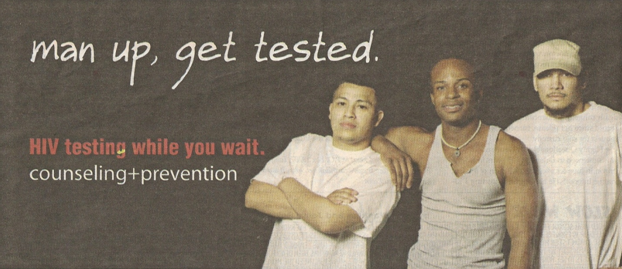
For example, this ad from a western Massachusetts clinic uses the phrase “man up, get tested” — taking care of yourself by getting tested for HIV is linked to your masculinity. What’s interesting is that by including only men of color in the photo, the ad suggests that black and Latino men are particularly obsessed with their masculinity, more so, perhaps, than white men. It also potentially reinforces stereotypes about black men as hyper-sexualized and Latino men as machismo.


[If an item is not written by an IRMA member, it should not be construed that IRMA has taken a position on the article's content, whether in support or in opposition.]
A Donor Deferred: The Lifetime Ban on Blood Donations from Gay Men

via The Huffington Post, by Robert Valadez

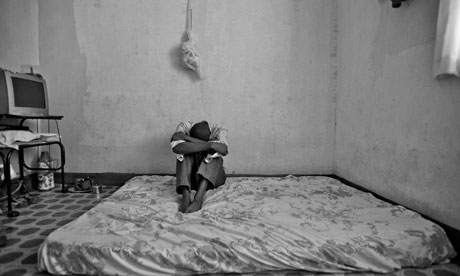
"Save a life, give blood," read the sticker on a colleague's lapel. It sounds wonderful -- where do I sign up? Unfortunately, I can't donate blood because I'm gay. Many people are surprised to hear that gay men are prohibited from donating blood in most countries around the world, including the U.S. I've sat at several dinner parties, perched atop my advocacy soapbox, informing straights and gays alike of the U.S. Food and Drug Administration's (FDA) policy that permanently defers any man who has had sex with another man, even once, since 1977, from donating blood.

It wasn't long ago that I was unaware of the policy. Like many college students across the nation, I happily signed up to donate blood at the campus blood drive. In fact, I rallied a group of friends to join me in participating in one of our country's most noble civic duties. One by one, we were called to donate. However, when my name was called, I was escorted to speak with a phlebotomist rather than fitted with an arm tie and stress ball. I was informed that my blood would not be accepted. Not today, not ever again. It had nothing to do with having consumed questionable British meat products or having a deficiency in iron. Rather, I had answered yes to the question -- the one that asked if I had had sex with a man since the 1970s. Given that I was born in the 1980s, the question seemed oddly phrased to me, not to mention unclear as to the definition of sex. Regardless, I checked the box, unaware of its repercussions. Suddenly, I was blacklisted.

Read the rest.


[If an item is not written by an IRMA member, it should not be construed that IRMA has taken a position on the article's content, whether in support or in opposition.]

Get Real! I'm a Guy Interested in Receptive Anal Sex: Does That Mean I'm Gay?

via RH Reality Check, by Heather Corinna

bobwilkins asks:

I'm a 16 year old boy, and for as long as I can remember I have been attracted to girls and yet rarely able to feel comfortable around them and get to know them. I've always been a nice person (the friendly guy) but without that many actual close friends who are girls. Recently I've noticed I am turned on (and everything that follows that) with the thought of receiving anal. Yet when I actually tried to see what anal was like through porn (I know this isn't realistic) I really didn't like it (to be polite). People have sometimes quietly thought of me as homosexual as I've never had a girlfriend and now I'm really not sure about myself? There are so many bad stereotypes and public jokes about gays I don't think its worth considering? I guess if I could fall in love with a girl and kiss her I would be far more confident...but I shouldn't need this! Advice please?

Heather Corinna replies:

There are gay or bisexual men who love or like anal sex, it's true. But there are also gay or bisexual men who don't like it, or who just aren't interested in it. There are heterosexual men who don't like anal sex or aren't interested in it, either. There are also heterosexual men who like or love it. And for all of these groups, all of that goes for being on either end of anal sex, as it were, and for people with partners of any or every gender. Human sexuality is incredibly diverse, and all someone liking a given kind of sex can usually tell us by itself is that someone likes that kind of sex. That's it.

Whether or not someone of any gender is curious about, wants, fantasizes about or takes part in anal sex in any way doesn't tell us a darn thing about their orientation. Now, if and when a guy fantasizes about it, wants or or engages in it with other men, then that is an indication that guy probably is attracted to other men (though maybe not just men: being attracted to other men doesn't always mean only being attracted to men), but that's still not about anal sex specifically. That same guy might also feel that way about kissing and who he kisses, but if he told people he was interested in kissing -- just kissing, not kissing any given gender of people -- you wouldn't hear anyone suggesting that probably means he's gay, right?

Read the rest.


[If an item is not written by an IRMA member, it should not be construed that IRMA has taken a position on the article's content, whether in support or in opposition.]

The Rape of Men

via The Guardian, by Will Storr

male-rape-victim-ugandaSexual violence is one of the most horrific weapons of war, an instrument of terror used against women. Yet huge numbers of men are also victims. In this harrowing report, Will Storr travels to Uganda to meet traumatised survivors, and reveals how male rape is endemic in many of the world's conflicts.

Of all the secrets of war, there is one that is so well kept that it exists mostly as a rumour. It is usually denied by the perpetrator and his victim. Governments, aid agencies and human rights defenders at the UN barely acknowledge its possibility. Yet every now and then someone gathers the courage to tell of it. This is just what happened on an ordinary afternoon in the office of a kind and careful counsellor in Kampala, Uganda. For four years Eunice Owiny had been employed by Makerere University's Refugee Law Project (RLP) to help displaced people from all over Africa work through their traumas. This particular case, though, was a puzzle. A female client was having marital difficulties. "My husband can't have sex," she complained. "He feels very bad about this. I'm sure there's something he's keeping from me."

Owiny invited the husband in. For a while they got nowhere. Then Owiny asked the wife to leave. The man then murmured cryptically: "It happened to me." Owiny frowned. He reached into his pocket and pulled out an old sanitary pad. "Mama Eunice," he said. "I am in pain. I have to use this."

Laying the pus-covered pad on the desk in front of him, he gave up his secret. During his escape from the civil war in neighbouring Congo, he had been separated from his wife and taken by rebels. His captors raped him, three times a day, every day for three years. And he wasn't the only one. He watched as man after man was taken and raped. The wounds of one were so grievous that he died in the cell in front of him.

Read the rest.


[If an item is not written by an IRMA member, it should not be construed that IRMA has taken a position on the article's content, whether in support or in opposition.]

Phylodynamics of HIV-1 Subtype B among the MSM Population in Hong Kong

via pubmed.gov, by Jonathan Hon-Kwan Chen, Ka-Hing Wong, Kenny Chi-Wai Chan, Sabrina Wai-Chi To, Zhiwei Chen, and Wing-Cheong Yam

Abstract

The men-having-sex-with-men (MSM) population has become one of the major risk groups for HIV-1 infection in the Asia Pacific countries. Hong Kong is located in the centre of Asia and the transmission history of HIV-1 subtype B transmission among MSM remained unclear. The aim of this study was to investigate the transmission dynamics of HIV-1 subtype B virus in the Hong Kong MSM population. Samples of 125 HIV-1 subtype B infected MSM patients were recruited in this study. Through this study, the subtype B epidemic in the Hong Kong MSM population was identified spreading mainly among local Chinese who caught infection locally. On the other hand, HIV-1 subtype B infected Caucasian MSM caught infection mainly outside Hong Kong. The Bayesian phylogenetic analysis also indicated that 3 separate subtype B epidemics with divergence dates in the 1990s had occurred. The first and latest epidemics were comparatively small-scaled; spreading among the local Chinese MSM while sauna-visiting was found to be the major sex partner sourcing reservoir for the first subtype B epidemic. However, the second epidemic was spread in a large-scale among local Chinese MSM with a number of them having sourced their sex partners through the internet. The epidemic virus was estimated to have a divergence date in 1987 and the infected population in Hong Kong had a logistic growth throughout the past 20 years. Our study elucidated the evolutionary and demographic history of HIV-1 subtype B virus in Hong Kong MSM population. The understanding of transmission and growth model of the subtype B epidemic provides more information on the HIV-1 transmission among MSM population in other Asia Pacific high-income countries.

Read the rest of the study here.


[If an item is not written by an IRMA member, it should not be construed that IRMA has taken a position on the article's content, whether in support or in opposition.]

Targeting the Invisible World Of Men Who Have Sex With Men

via Outwords, by Peter Carlyle-Gordge

Ask any outreach worker in the fight against HIV transmission and you’ll find one of the hardest at-risk groups to reach is MSM, or men who have sex with men.

Men in this group don’t necessarily identify as gay. Some may be married to women and have families. Some may simply avoid defining their sexual orientation and it is often hard to pinpoint where they gather or connect.

Now, if reaching the MSM group is challenging here, consider its near impossibility in such homophobic places as Africa, a place still plagued by superstition, repression and an outright burning hostility to any sexual practices beyond the vanilla heterosexual variety. In many Islamic countries such as Iran and Iraq, being attracted to the same sex may bring instant death by a mob, or less instant death after a shameful “trial” in an Islamic court, which may sentence you to be hanged, often in public.

Attitudes to same-sex attraction in Africa aren’t much better, with a nasty, often violent reaction to same-sex couplings – an official kind of homophobia that is encouraged by the Neanderthal and ignorant Catholic and Anglican churches. Indeed, the current worldwide Anglican communion is deeply split on same-sex rights, thanks largely to the Archbishop of Canterbury kowtowing in fear to the outspoken black African bishops who despise homosexuality and claim God does, too.

You don’t need to go far to stack up evidence of this official homophobia. The president of Iran famously came to the U.S. and told a university audience that same-sex dalliances did not exist in Iran. The evidence in the form of beatings and hangings of gay men tends to undermine his insane statement.

Read the rest.


[If an item is not written by an IRMA member, it should not be construed that IRMA has taken a position on the article's content, whether in support or in opposition.]

Questions Surround PrEP Trials

via The New York Times, by David Tuller

In the past year, three landmark clinical trials have shown that a daily dose of the antiretroviral medication Truvada can protect individuals from infection with H.I.V. — a significant discovery, given the failure so far of all efforts to develop a vaccine against the virus.

Now researchers in San Francisco and Miami are planning to test this prevention strategy, called pre-exposure prophylaxis, or PrEP, in a pilot study supported by the National Institutes of Health. The researchers will soon recruit up to 500 uninfected men who have sex with men, especially those considered to be at greatest risk of infection, such as younger gay men and, in particular, African-Americans.

The men will be asked to take Truvada daily, and the researchers will monitor their compliance with the regimen, their sexual behavior and their health status. Already, though, the prospect of antiretroviral drugs’ being used for prevention as well as treatment is raising complex questions for researchers and advocates.

Will healthy uninfected people consistently take an expensive and powerful drug that can cause a range of side effects? Is it fair to provide medications to H.I.V.-negative individuals when so many of those already infected do not have access? Will those receiving the drug be more likely to engage in risky sex because they believe they are protected — even if they do not always take it as prescribed?

Read the rest.


[If an intem is not written by an IRMA member, it should not be construed that IRMA has taken a position on the article's content, whether in support or in opposition.]

Pro/Con: Two views of U.S. prohibiting gay men's blood donation

via The Los Angeles Times, by Jessica Pauline Ogilvie

Donor bloodLast month, the United Kingdom lifted its long-standing ban on accepting blood donations from gay men. Instead, health officials there implemented a new policy that allows men to become blood donors as long as they haven't had sex with another man in the previous year.

With this decision, the U.K. joined France, Italy, Japan and eight other developed countries in allowing gay and bisexual men to contribute to the nation's blood supply. Many of those countries require sexually active gay men to wait a year before giving blood, while others have deferral periods of six months or five years. Some countries have regulations that focus on potential donors' risky sexual behavior rather than their sexual orientation.

In the United States, however, men who have sex with men are still subject to a lifetime ban on donating blood. The U.S. Food and Drug Administration implemented the ban in 1983 after an estimated 10,000 people with the bleeding disorder hemophilia became infected with HIV through transfusions of HIV-tainted blood.

That policy has become increasingly controversial in recent years. Some experts in the field of blood safety — as well as gay rights activists — say that it's discriminatory and that scientific advances in testing for HIV render it obsolete. Many would like to see the policy changed to resemble the U.K.'s one-year deferral policy or have the ban lifted altogether.
On the other side of the debate are those who say that men who have sex with men still face a heightened risk of contracting HIV and that even a small increased threat to the blood supply isn't justifiable.

The issue has divided major U.S. health organizations. Last year, the FDA denied a request to overturn the ban, but the American Red Cross and others support moving to a one-year deferral.

Read the rest.


[If an item is not written by an IRMA member, it should not be construed that IRMA has taken a position on the article's content, whether in support or in opposition.]

Addressing the HIV Epidemic among Gay and Bisexual Men

via AIDS.gov, by Kevin Fenton, M.D., Ph.D., FFPH, Director, National Center for HIV/AIDS, Viral Hepatitis, STD, and TB Prevention, CDC

In 1981, our nation and its public health system were grappling with a new disease that was taking the lives of gay men across the United States. Thirty years later, HIV/AIDS continues to be a crisis among gay and bisexual men. The latest data show men who have sex with men (MSM) remain most affected in this country. Although MSM represent 2% of the population, they account for 64% of all new infections (including 3% among MSM who are injection drug users [IDUs]). CDC estimates that there were more than 30,000 new HIV infections in 2009 among MSM, including MSM-IDU. Though the numbers have gone down dramatically, approximately 7,000 MSM with an AIDS diagnoses still die each year and nearly 300,000 MSM with AIDS have died since the beginning of the epidemic.

Today, we commemorate the fourth annual National Gay Men’s HIV/AIDS Awareness Day, an observance founded by the National Association of People with AIDS to raise awareness of the HIV/AIDS epidemic among gay and bisexual men. This annual observance is one way we are focusing attention and resources on those populations at highest risk for HIV infection, including gay and bisexual men. This focus is a top priority outlined in the National HIV/AIDS Strategy (NHAS).

To reach those at risk, CDC is pursuing High Impact Prevention to support the most effective and impactful programs to aggressively reach the goals of the National Strategy. The interventions are being implemented at the federal, state, and local levels to reach the right populations at a scale large enough to make a significant difference. These approaches include expanded testing efforts to ensure more gay and bisexual men get tested at least annually, more often if at increased risk;prevention programs for people living with HIV and their partners; condom distribution; demonstration projects that focus on the most heavily affected communities; and matching HIV prevention funding for health departments and community-based organizations in those locations with the highest HIV burden.

Read the rest.


[If an item is not written by an IRMA member, it should not be construed that IRMA has taken a position on the article's content, whether in support or in opposition.]

Using Conjoint Analysis to Measure the Acceptability of Rectal Microbicides Among Men Who Have Sex with Men in Four South American Cities

via Pubmed.gov, by Kinsler JJ, Cunningham WE, Nureña CR, Nadjat-Haiem C, Grinsztejn B, Casapia M, Montoya-Herrera O, Sánchez J, Galea JT.

Abstract

Conjoint Analysis (CJA), a statistical market-based technique that assesses the value consumers place on product characteristics, may be used to predict acceptability of hypothetical products. Rectal Microbicides (RM)-substances that would prevent HIV infection during receptive anal intercourse-will require acceptability data from potential users in multiple settings to inform the development process by providing valuable information on desirable product characteristics and issues surrounding potential barriers to product use. This study applied CJA to explore the acceptability of eight different hypothetical RM among 128 MSM in Lima and Iquitos, Peru; Guayaquil, Ecuador; and Rio de Janeiro, Brazil. Overall RM acceptability was highest in Guayaquil and lowest in Rio. Product effectiveness had the greatest impact on acceptability in all four cities, but the impact of other product characteristics varied by city. This study demonstrates that MSM from the same region but from different cities place different values on RM characteristics that could impact uptake of an actual RM. Understanding specific consumer preferences is crucial during RM product development, clinical trials and eventual product dissemination.


[If an item is not written by an IRMA member, it should not be construed that IRMA has taken a position on the article's content, whether in support or in opposition.]

Study: The feasability of incorporating self-collected rectal swabs to measure the prevalence of HPV infection in MSM

via Journal of the American Sexually Transmitted Diseases Association, by Gilbert, Mark MD*; Kwag, Michael BA*; Mei, Wendy BSc†; Rank, Claudia MPH*‡; Kropp, Rhonda MSc‡; Severini, Alberto MD‡; van Niekerk, Dirk MD§; Zhou, Chen MD§; Press, Natasha MD¶; Ogilvie, Gina MD*; Wong, Tom MD‡; the ManCount Study Team 

Background:

Inclusion of self-collected rectal swabs (SCRS) into existing community venue-based HIV surveillance systems for men who have sex with men (MSM) may provide a feasible method for monitoring human papillomavirus (HPV) vaccine-related outcomes in this population. We measured the prevalence of HPV and anal dysplasia through incorporating SCRS into ManCount, the Vancouver site of the M-Track HIV surveillance system.

Methods:

Participating MSM were provided with a self-collection kit for collection on-site or at a follow-up venue. Swabs were subject to polymerase chain reaction amplification for HPV detection, and cytology slides were reviewed for anal dysplasia. Factors associated with participation were identified through multivariate logistic regression.

Results:

Of 766 men completing ManCount, 268 (35%) agreed to participate, self-collecting 252 specimens (247 on-site). Of 239 complete specimens, 33.5% did not have detectable β-globin; in the remainder (159 specimens) the prevalence of HPV infection was 62.3% (23.3% HPV type 16 or 18; 38.4% HPV type 6, 11, 16, or 18). In the 62.3% (149) of specimens adequate for cytology, the prevalence of anal dysplasia was 42.3% (HSIL 11.4%, LSIL 18.8%, ASC-US 6.7%, ASC-H 5.4%). Participation was associated with venue type, availability of on-site collection, and other characteristics.
Conclusions:

SCRS can be feasibly integrated within existing community venue-based HIV surveillance systems for MSM, and may be a suitable method for monitoring the impact of HPV vaccination in this population. However, participation may be influenced by venue type and availability of on-site collection, and adequacy of SCRS specimens may be lower in community venues as compared with clinical settings.


[If an item is not written by an IRMA member, it should not be construed that IRMA has taken a position on the article's content, whether in support or in opposition.]

'Less education' associated with PrEP and PEP use: only one in five gay men yet aware of PrEP

via aidsmap, by Gus Cairns

A survey (Mansergh) of 454 HIV-negative gay men in four US cities (New York, Los Angeles, Chicago and San Francisco) has found that men with lower educational attainment (high school only) were more likely to use antiretrovirals informally for HIV prevention, either as pre-exposure prophylaxis (PrEP) or post-exposure prophylaxis (PEP), than men who had had further education.
In a parallel survey of 557 HIV-positive gay men, men with lower educational attainment were, similarly, more likely to share their antiretroviral pills with HIV-negative partners to use as PrEP or PEP.

Taken together, 22% of the men in the two surveys were under 30, 35% in their 30s and 43% 40 or over. A third were black, 38% white and the rest Hispanic or of other ethnicity.

Roughly a third each of the sample had education only to high school level, to some college qualification, or to a university degree.

The survey asked both groups if they had used PrEP or PEP or, in the case of the HIV-positive men, provided it to others, in the last six months.

Informal use of PrEP or PEP was still comparatively uncommon; only a few per cent of those surveyed overall had used ARVs as prevention or provided them in the previous six mnoths.

However men with high-school-only education were two to six times more likely to report using one of these strategies.

Read the rest.


[If an item is not written by an IRMA member, it should not be construed that IRMA has taken a position on the article's content, whether in support or in opposition.]

Media campaign on disclosure and stigma changes gay men’s attitudes

via aidsmap, by Roger Pebody

A Canadian campaign which asked gay men “If you were rejected every time you disclosed, would you?” appears to have raised men’s understanding of the dilemmas which men with HIV face. The campaign also succeeded in reducing the number of men who try to avoid infection by relying on men with HIV disclosing their status, researchers report in the October issue of Health Education Research.

The campaign was not intended to broadcast a ‘message’ or give instructions, but to stimulate dialogue within local communities. Moreover the authors suggest that the extensive community consultation which went into its development contributed to the campaign’s success.

Staff from frontline HIV prevention work, public health, government and academia participated in the consultation which identified HIV-related stigma as a priority issue. Moreover they focused on stigma within gay communities as it is manifested in the attitudes of some HIV-negative men towards potential sexual partners who have HIV. The campaign developers believe that there are links between the problems of stigma, disclosure, conflicting assumptions and risk taking.

Read the rest.


[If an item is not written by an IRMA member, it should not be construed that IRMA has taken a position on the article's content, whether in support or in opposition.]